
 By abdul aziz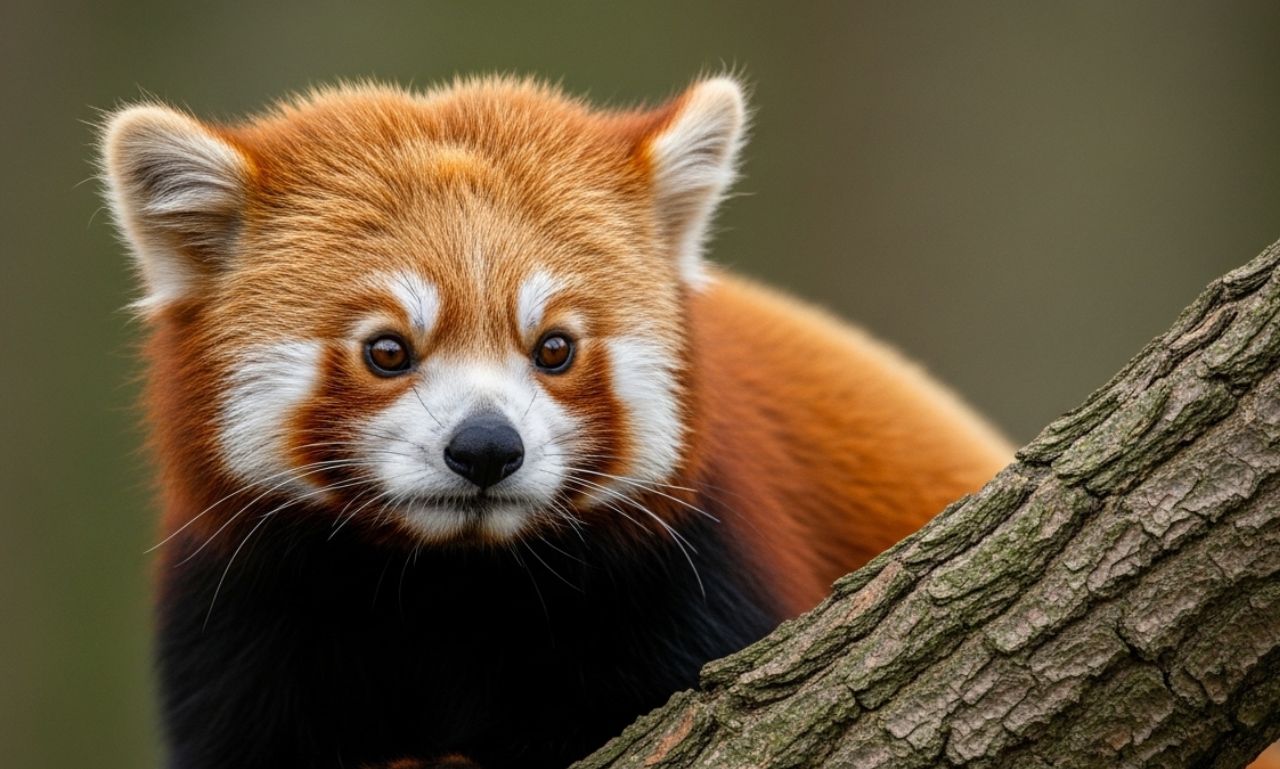
The red panda is one of the most fascinating and charming animals in the world. Known for its fluffy tail, reddish-brown fur, and playful behavior, the red panda captures the hearts of wildlife enthusiasts everywhere. Despite its name, the red panda is not closely related to the giant panda but belongs to its own unique family. Native to the mountainous forests of Asia, this small mammal faces growing threats due to habitat loss and environmental changes.
Understanding the red panda’s lifestyle, habitat, and conservation challenges is essential for protecting this rare species.
What Is a Red Panda?
The red panda (scientific name Ailurus fulgens) is a small arboreal mammal found primarily in the eastern Himalayas and southwestern China. It is the only living member of the family Ailuridae, making it taxonomically unique.
Unlike the giant panda, which belongs to the bear family, the red panda is more closely related to raccoons and weasels. It has a cat-sized body, thick reddish fur, white facial markings, and a long bushy tail with ring patterns.
Red Panda Habitat
Mountain Forest Regions
The red panda lives in temperate forests at elevations between 2,200 and 4,800 meters. These forests typically contain dense bamboo undergrowth, which plays a crucial role in the red panda’s survival.
Its primary habitat includes:
-
Nepal
-
Bhutan
-
India
-
Myanmar
-
China
The cool climate and thick vegetation provide shelter and food, making mountainous bamboo forests ideal for the red panda.
Red Panda Diet
Although classified as a carnivore, the red panda’s diet is mostly herbivorous.
Primary Food Source: Bamboo
Bamboo makes up about 85–95% of a red panda’s diet. However, because bamboo is low in nutrients, the red panda must consume large quantities daily to meet its energy needs.
Other Foods
In addition to bamboo, the red panda eats:
-
Fruits
-
Berries
-
Mushrooms
-
Bird eggs
-
Small insects
Its sharp claws and strong jaw help it grasp and chew bamboo efficiently.
Physical Characteristics of the Red Panda
The red panda’s appearance is one of its most distinctive features.
-
Size: About 20–26 inches long (excluding tail)
-
Weight: 8–15 pounds
-
Tail Length: 12–20 inches
-
Fur: Thick, reddish-brown coat
-
Face: White markings resembling a mask
The bushy tail helps the r ed panda maintain balance in trees and provides warmth by wrapping around its body during cold weather.
Red Panda Behavior
Arboreal Lifestyle
The r ed panda spends most of its life in trees. It is an excellent climber and often rests on branches during the day.
Nocturnal and Crepuscular
The r ed panda is most active at night and during dawn and dusk. During the day, it sleeps curled up in tree branches or hollow trunks.
Solitary Nature
R ed pandas are generally solitary animals. They mark their territory using scent glands and only interact during mating season.
Red Panda Reproduction
The breeding season typically occurs in late winter. After a gestation period of about 130 days, the female gives birth to one to four cubs.
The cubs are born blind and depend entirely on their mother for survival. They begin exploring outside the nest at around three months old and stay with their mother for about a year.
Conservation Status
The r ed panda is classified as Endangered by the International Union for Conservation of Nature (IUCN). It is estimated that fewer than 10,000 mature individuals remain in the wild.
Major Threats
-
Habitat Loss: Deforestation for agriculture and development.
-
Climate Change: Affects bamboo growth and forest ecosystems.
-
Poaching: R ed pandas are sometimes hunted for their fur.
-
Human Encroachment: Expanding human settlements reduce natural habitats.
Conservation organizations are working to protect forests, reduce poaching, and educate communities about the importance of protecting this species.
Why the Red Panda Matters
The r ed panda plays an important role in maintaining the health of its forest ecosystem. As a bamboo consumer, it helps manage plant growth and supports biodiversity.
Additionally, the r ed panda serves as a flagship species for conservation. Protecting its habitat also benefits many other animals that share the same ecosystem.
Interesting Facts About the Red Panda
-
The r ed panda has a “false thumb,” similar to the giant panda, which helps it grip bamboo.
-
It communicates using squeals, whistles, and tail movements.
-
Despite its name, it was discovered nearly 50 years before the giant panda.
-
Its thick fur covers even the soles of its feet to protect against cold temperatures.
How You Can Help Protect the Red Panda
Individuals can contribute to r ed panda conservation in several ways:
-
Support wildlife conservation organizations
-
Avoid products that contribute to deforestation
-
Spread awareness about endangered species
-
Donate to habitat protection programs
Every effort helps ensure that future generations can witness this remarkable animal in the wild.
Final Thoughts
The r ed panda is a unique and captivating species that deserves global attention and protection. From its tree-climbing abilities to its bamboo-based diet, this small mammal has adapted beautifully to its mountainous habitat. However, increasing environmental threats put its survival at risk.
By raising awareness and supporting conservation initiatives, we can help secure a safer future for the r ed panda and preserve the biodiversity of its forest home.