
 By abdul aziz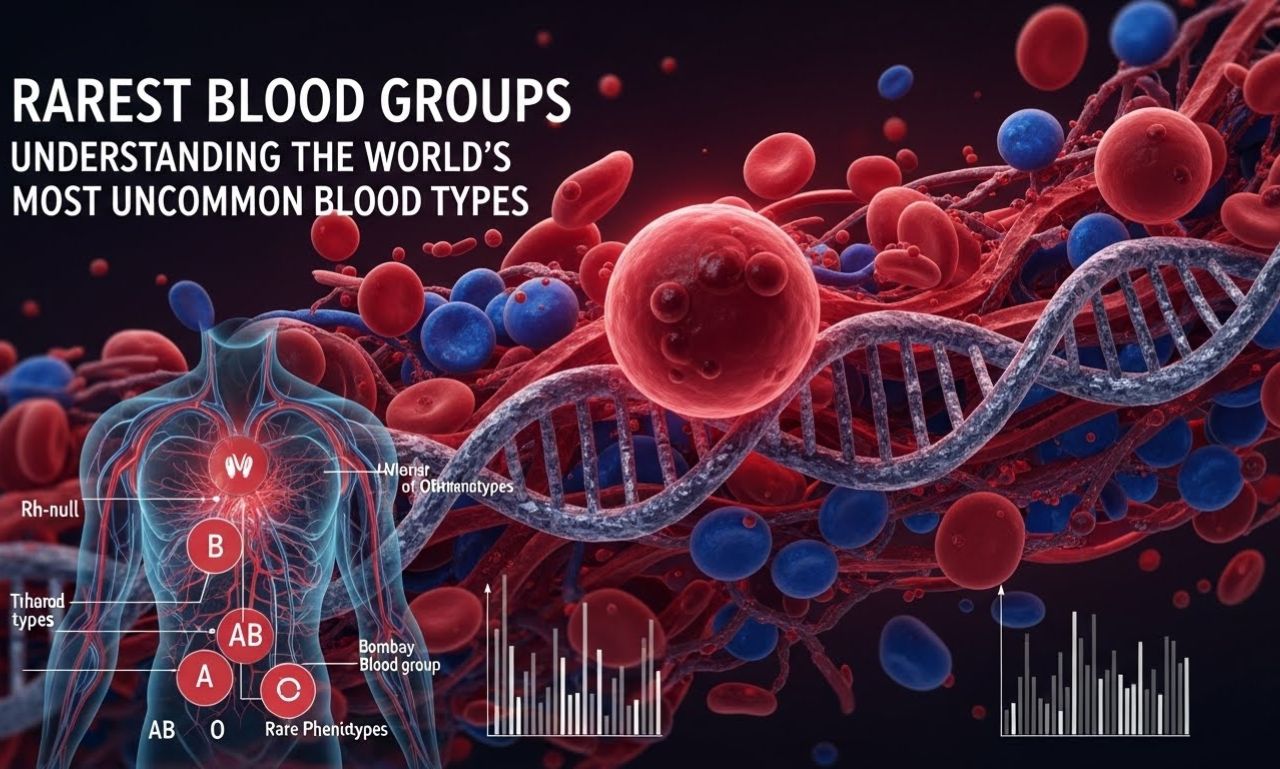
The rarest group of blood is a topic that attracts attention from medical professionals, researchers, and the general public alike. Blood types play a vital role in human survival, especially during medical emergencies, surgeries, and transfusions. While many people are familiar with common blood groups such as A, B, AB, and O, very few know that some blood types are so rare they exist in only a handful of individuals worldwide. Understanding why certain blood groups are uncommon can help raise awareness about blood donation and global healthcare challenges.
What Is Meant by the Rarest Group of Blood?
The term rarest group of blood refers to blood types that occur in a very small percentage of the global population. Blood is classified based on antigens present on red blood cells, mainly through the ABO system and the Rh factor. When unique combinations of antigens occur—or are absent—some blood groups become extremely rare.
Rarity can vary depending on geography, ethnicity, and genetic inheritance. A blood type that is rare in one country may be more common in another, but some blood groups remain exceptionally scarce worldwide.
How Blood Groups Are Classified
To fully understand the rarest group of blood, it is important to know how blood types are categorized. The two primary classification systems are:
ABO Blood Group System
This system divides blood into four main types:
-
A
-
B
-
AB
-
O
Each type can be either Rh-positive or Rh-negative, depending on the presence of the Rh antigen.
Rh Factor and Rare Antigens
Beyond ABO and Rh systems, there are over 30 recognized blood group systems, including Kell, Duffy, and Lutheran. Rare antigens within these systems are often responsible for creating the rarest blood types known to medicine.
Rarest Group of Blood in the World
When discussing the rarest group of blood, the Bombay blood group—also known as HH blood group—is often mentioned. Discovered in India in 1952, this blood type lacks the H antigen, which is normally present in all ABO blood groups.
People with this blood type cannot receive blood from any standard ABO group. They can only receive blood from another Bombay blood group donor, making transfusions extremely difficult.
Why the Bombay Blood Group Is So Rare
-
Occurs in approximately 1 in 10,000 people in India
-
Even rarer globally, with about 1 in a million individuals
-
Genetically inherited and more common in communities with consanguineous marriages
Other Rare Blood Types
Although the Bombay blood group is widely considered the rarest group of blood, there are other extremely uncommon blood types worth mentioning.
Rh-null Blood Group
Often referred to as “golden blood,” Rh-null blood lacks all Rh antigens. Fewer than 50 people worldwide are known to have this blood type.
Key characteristics include:
-
Compatible with anyone who has Rh-related disorders
-
Donors are carefully monitored due to scarcity
-
Individuals may have mild anemia
Rare Negative Blood Groups
Certain Rh-negative blood types are also rare, especially:
-
AB-negative
-
B-negative
These blood groups make up a small percentage of the population, which can cause shortages during emergencies.
Geographic Distribution of Rare Blood Types
The rarest group of blood is not evenly distributed across the globe. Genetic patterns play a major role in determining where rare blood groups are more likely to appear.
-
Bombay blood group: Mostly found in South Asia
-
Rh-null: Scattered globally with no specific region
-
Duffy-negative: Common in parts of Africa but rare elsewhere
Understanding regional distribution helps blood banks prepare better for rare transfusion needs.
Medical Importance of the Rarest Group of Blood
People with the rarest group of blood face unique medical challenges. In emergencies, finding compatible donors can take days or even weeks. This is why rare blood registries are essential.
Challenges in Blood Transfusion
-
Limited donor availability
-
International coordination often required
-
Higher risk during surgeries or childbirth
Medical professionals must take extra precautions when treating patients with rare blood types.
Importance of Rare Blood Donors
Blood donors with the rarest group of blood are considered lifesavers. Many countries maintain special databases to track individuals with rare blood types and contact them when needed.
Benefits of rare blood donation include:
-
Saving lives during critical emergencies
-
Supporting medical research
-
Helping patients with rare genetic disorders
Regular donation and proper storage are crucial to ensure availability.
How to Know If You Have a Rare Blood Type
The only way to determine whether you belong to the rarest group of blood is through a detailed blood test. Standard blood typing may not detect rare antigens, so advanced testing is sometimes required.
You may be advised to undergo specialized testing if:
-
You experience unexplained transfusion reactions
-
A close family member has a rare blood type
-
Doctors are unable to find compatible blood for you
Future of Research on Rare Blood Groups
Scientific research continues to explore the genetics behind the rarest group of blood. Advances in biotechnology may allow artificial blood production or improved storage methods in the future.
Emerging developments include:
-
Stem-cell-derived red blood cells
-
Enhanced donor-matching databases
-
Genetic mapping of rare blood antigens
These innovations could significantly improve outcomes for patients with rare blood types.
Conclusion
The rarest group of blood represents one of the most fascinating and critical areas of medical science. From the Bombay blood group to Rh-null blood, these rare types highlight the importance of genetics, awareness, and global cooperation. Understanding rare blood groups not only saves lives but also strengthens healthcare systems worldwide. Increased education and donor participation can make a life-changing difference for those who depend on rare blood transfusions.