
 By abdul aziz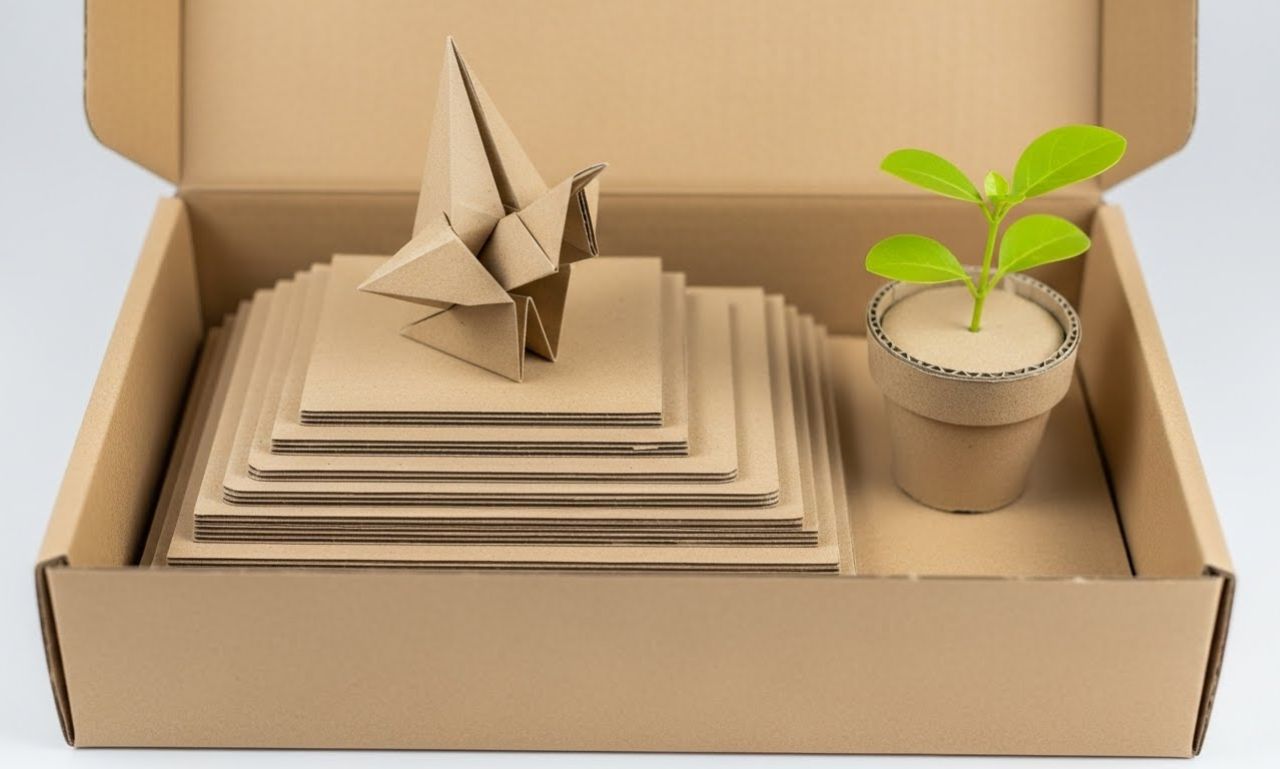
Pappedeckel is a versatile and widely used material that plays an important role in packaging, crafts, construction, and sustainable product design. Known for its strength, flexibility, and eco-friendly nature, pappedeckel is essentially a type of thick cardboard or paperboard made from compressed paper fibers. In recent years, the demand for pappedeckel has grown significantly due to increased awareness of environmental sustainability and the shift away from plastic-based materials.
This article explores what pappedeckel is, how it is made, its common applications, advantages, and why it is considered a smart choice for businesses and individuals alike.
What Is Pappedeckel?
Pappedeckel refers to a dense, rigid form of cardboard created by pressing multiple layers of recycled paper pulp together. Unlike standard paper, it has a higher thickness and durability, making it suitable for structural and protective purposes. It is commonly used in packaging boxes, book covers, craft boards, and industrial applications.
The defining feature of pappedeckel is its balance between strength and lightweight properties. This makes it easy to handle while still offering reliable support and protection.
How Pappedeckel Is Manufactured
The production of pappe deckel involves a relatively simple yet efficient process:
-
Collection of Paper Waste – Recycled paper and cardboard are gathered.
-
Pulping Process – The paper is mixed with water to create pulp.
-
Layering and Pressing – The pulp is layered and compressed under high pressure.
-
Drying and Cutting – Sheets are dried, hardened, and cut into required sizes.
This manufacturing method makes pappe deckel both cost-effective and environmentally friendly, as it relies heavily on recycled materials.
Common Uses of Pappedeckel
Pappedeckel in Packaging Industry
One of the most common applications of papp edeckel is in packaging. It is widely used for:
-
Shipping boxes
-
Product cartons
-
Protective inserts
Its rigid structure ensures that goods remain safe during transport while keeping packaging lightweight.
Pappedeckel for Crafts and DIY Projects
Artists and hobbyists often choose pappe deckel for creative projects. It is ideal for:
-
Model making
-
Scrapbooking
-
Educational projects
Its smooth surface allows easy cutting, painting, and gluing.
Pappedeckel in Bookbinding and Stationery
In the publishing industry, pappe deckel is frequently used for book covers, folders, and binders. It provides durability while maintaining a professional appearance.
Advantages of Using Pappedeckel
Eco-Friendly and Sustainable
One of the biggest advantages of pappe deckel is its sustainability. Since it is made primarily from recycled paper, it reduces waste and helps conserve natural resources.
Lightweight but Strong
Despite being lightweight, pappe deckel offers impressive strength. This makes it an excellent alternative to plastic or wood in many applications.
Cost-Effective Material
Pappe deckel is affordable compared to many other packaging and structural materials. Its low production cost benefits manufacturers and consumers alike.
Easy to Customize
The material can be easily printed, laminated, or shaped, allowing businesses to create custom designs and branding.
Pappedeckel vs Other Cardboard Materials
When compared to standard cardboard, pappedeckel stands out due to its higher density and rigidity. While corrugated cardboard is better for heavy-duty shipping, pappedeckel is ideal for flat, rigid applications such as covers and inserts.
Compared to plastic boards, pappedeckel offers a more environmentally responsible solution without sacrificing functionality.
Environmental Impact of Pappedeckel
The environmental benefits of pappe deckel are significant. Its production requires less energy than plastic manufacturing, and it is fully recyclable. Many industries are adopting pappe deckel as part of their sustainability initiatives to reduce carbon footprints and comply with environmental regulations.
Additionally, biodegradable properties ensure that discarded pappe deckel does not contribute to long-term pollution.
Industries Benefiting from Pappedeckel
Several industries rely heavily on pappe deckel, including:
-
Packaging and logistics
-
Education
-
Publishing
-
Retail and e-commerce
-
Arts and crafts
Its versatility makes it a valuable material across both commercial and personal uses.
Future of Pappedeckel
As sustainability becomes a global priority, the future of pappe deckel looks promising. Innovations in recycling technology and material engineering are improving its durability and expanding its range of applications. Businesses are increasingly choosing pappe deckel to meet consumer demand for eco-conscious products.
With growing environmental awareness, pappe deckel is expected to replace many non-recyclable materials in the coming years.
Conclusion
Pappe deckel is more than just thick cardboard—it is a practical, affordable, and environmentally friendly material with countless applications. From packaging and bookbinding to crafts and industrial use, its versatility makes it a preferred choice across industries. As sustainability continues to shape consumer and business decisions, pappe deckel stands out as a smart and responsible solution for modern needs.