
 By abdul aziz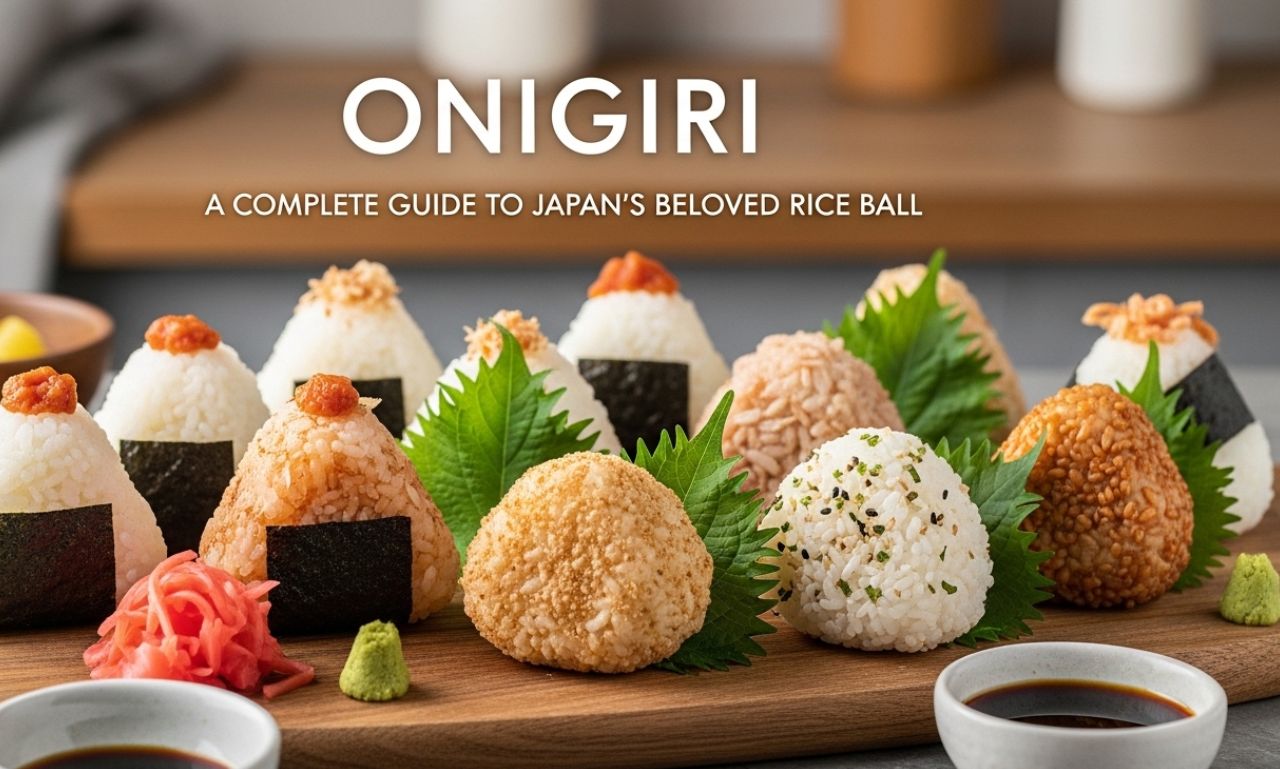
Onigiri is one of Japan’s most iconic comfort foods, cherished for its simplicity, portability, and deep cultural roots. Often shaped by hand and wrapped in seaweed, onigiri has been a staple of Japanese daily life for centuries. From lunchboxes to convenience stores, onigiri continues to be enjoyed by people of all ages. This article explores the history, types, ingredients, cultural significance, and global popularity of onigiri.
What Is Onigiri?
Onigiri is a Japanese rice ball made from steamed white rice, lightly seasoned with salt and typically filled with savory ingredients. Unlike sushi, onigiri rice is not mixed with vinegar, giving it a more neutral flavor that highlights the filling.
Onigiri is usually shaped into a triangle, oval, or round form and often wrapped partially in nori seaweed. Its simplicity makes it easy to prepare, carry, and eat, which is why it has remained popular for generations.
The History of Onigiri
Origins of Onigiri
The origins of onigiri date back over a thousand years in Japan. Early forms of rice balls were used as portable meals for travelers, farmers, and soldiers. Rice was compacted by hand and lightly salted to preserve freshness.
Historical records suggest that onigiri became more common during Japan’s Heian period, when rice cultivation expanded and rice became central to Japanese cuisine.
Onigiri in Everyday Japanese Life
Over time, onigiri evolved from a practical food into a cultural symbol of home cooking. It is commonly included in bento lunchboxes and often prepared by family members as an expression of care and affection.
Today, onigiri is widely available in convenience stores, supermarkets, and specialty shops throughout Japan.
Popular Types of Onigiri
Traditional Onigiri Fillings
Classic onigiri fillings include salted salmon, pickled plum (umeboshi), tuna with mayonnaise, and simmered seaweed. These fillings are chosen for their strong flavors and ability to keep well.
Each filling complements the mild taste of rice, creating a balanced bite that defines traditional oni giri.
Regional Onigiri Variations
Different regions of Japan have their own oni giri styles. Some areas use local seafood, while others feature regional vegetables or meats. These variations showcase the diversity of Japanese cuisine.
Modern and Fusion Onigiri
Modern oni giri has expanded beyond traditional fillings. Contemporary versions may include fried chicken, cheese, curry, or plant-based ingredients, making oni giri appealing to a global audience.
Key Ingredients Used in Onigiri
Rice
Short-grain Japanese rice is essential for authentic oni giri. Its sticky texture allows the rice to hold its shape without falling apart.
Fillings
Fillings are typically salty or savory, which helps preserve the rice and enhance flavor. Popular choices range from fish and seafood to vegetables and seasoned meats.
Nori Seaweed
Nori adds texture and flavor while making oni giri easier to hold. Some oni giri are wrapped just before eating to keep the seaweed crisp.
How Onigiri Is Made
Preparation Process
To make oni giri, freshly cooked rice is lightly salted and shaped by hand. A small amount of filling is placed in the center before the rice is gently pressed into shape.
The key is not to compress the rice too tightly, allowing air to remain inside for a soft texture.
Shaping and Presentation
Oni giri is traditionally shaped into a triangle, symbolizing mountains in Japanese culture. However, round and cylindrical shapes are also common.
Presentation may be simple or decorative, depending on the occasion.
Cultural Significance
Onigiri as Comfort Food
Oni giri is often associated with home, family, and care. It is commonly prepared by parents for children and shared during trips or school lunches.
Because of this emotional connection, oni giri is seen as more than just food—it represents warmth and familiarity.
Onigiri in Japanese Media
Oni giri frequently appears in anime, manga, and films, reinforcing its status as an everyday food. These portrayals have helped introduce oni giri to international audiences.
Health Benefits of Onigiri
Nutritional Value
Oni giri can be a healthy meal option when made with balanced fillings. Rice provides energy, while fish and vegetables contribute protein, vitamins, and minerals.
Portion Control
The compact size of oni giri makes it easy to manage portions. This makes it suitable for quick meals or snacks without overeating.
Customizable for Diets
Oni giri can be adapted for different dietary needs, including vegetarian and low-fat options. This flexibility adds to its modern appeal.
Onigiri vs Sushi
Although often compared, on igiri and sushi are different dishes. Sushi rice is seasoned with vinegar and usually paired with raw fish, while oni giri uses plain salted rice and cooked or preserved fillings.
Oni giri is more casual and portable, whereas sushi is often served as a formal meal.
Global Popularity
Outside Japan
As Japanese cuisine has gained global recognition, oni giri has become popular worldwide. Japanese restaurants and specialty shops now offer oni giri in many countries.
Modern Food Culture
Oni giri is increasingly featured in food blogs, cooking videos, and social media. Its simple preparation and customizable nature make it attractive to home cooks.
Future
With growing interest in Japanese comfort food, oni giri is likely to continue expanding globally. New flavors and creative presentations keep it relevant in modern cuisine.
Conclusion
Oni giri is a timeless Japanese food that combines simplicity, tradition, and versatility. From its ancient origins to its modern adaptations, oni giri remains a symbol of everyday nourishment and cultural identity.
Whether enjoyed as a homemade snack, a convenience store meal, or a creative fusion dish, oni giri continues to bring people together through its comforting flavors and meaningful history.