
 By abdul aziz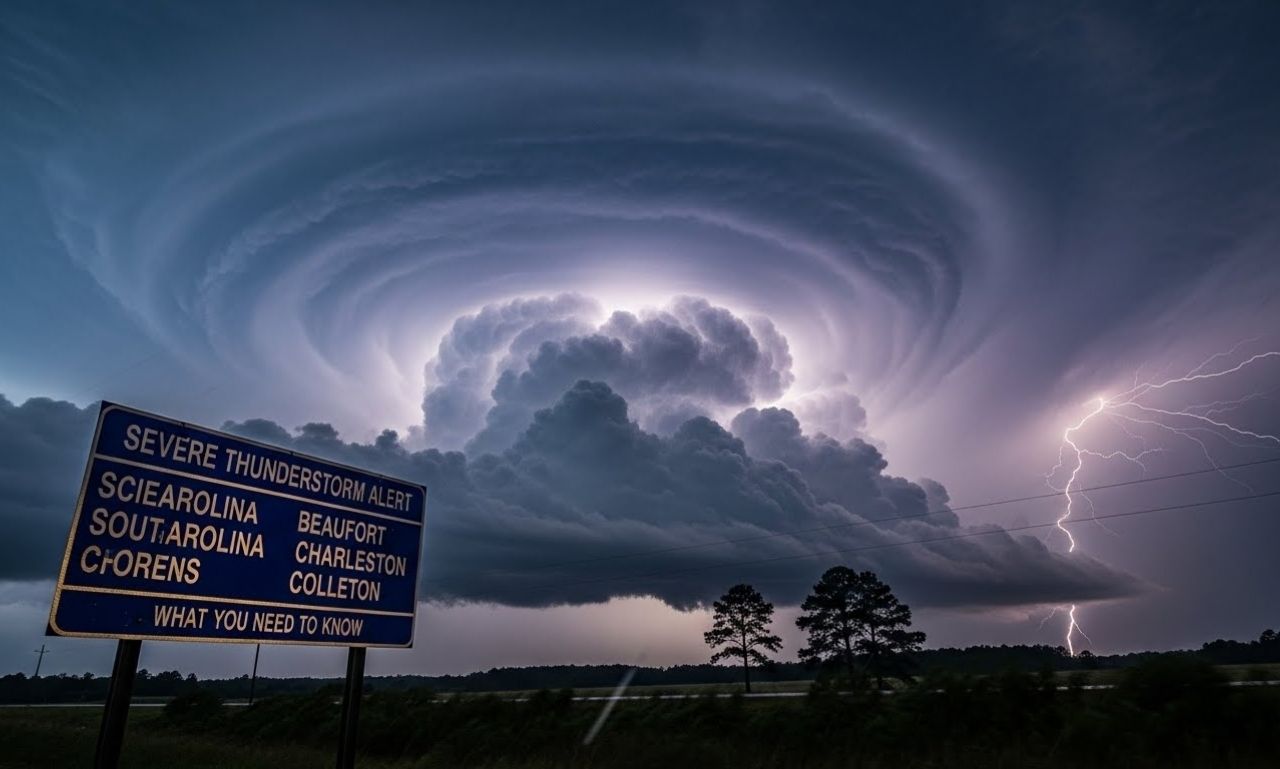
The National Weather Service (NWS) issued multiple severe thunderstorm alerts for South Carolina counties after a line of strong storms moved through parts of the state. Thunderstorm warnings were activated for several counties — including Charleston, Berkeley, Orangeburg, Georgetown, and Williamsburg — as severe weather swept through the region, bringing high wind gusts and the potential for hazardous conditions.
These alerts came as thunderstorms developed and intensified, prompting local warnings and updates through official weather channels and alert systems. Residents were advised to stay informed and take alerts seriously as conditions unfolded.
Why Severe Thunderstorm Alerts Matter Multiple Severe Thunderstorm Alerts Issued for South Carolina Counties
Severe thunderstorm alerts are not just routine weather notifications — they indicate a real risk of weather that could cause injury or property damage. When multiple severe thunderstorm alerts are issued for South Carolina counties, it reflects hazardous atmospheric conditions that can include:
-
Damaging wind gusts: Winds in these storms can exceed 50–60 mph, enough to down tree limbs and power lines, and damage structures.
-
Heavy rainfall: Intense rain rates over a short time can lead to localized flooding and hazardous driving conditions.
-
Hail: Thunderstorms sometimes produce hail, which can dent vehicles and injure people and animals caught outdoors.
-
Power outages: Strong winds and downed trees often interrupt electrical service, as seen in past severe weather events when thousands of customers lost power following storm activity.
The intensity of these storms underscores the importance of paying attention to warnings and being prepared to take action quickly.
Which South Carolina Counties Were Affected? Multiple Severe Thunderstorm Alerts Issued for South Carolina Counties
The NWS warnings covered a swath of counties across different regions of the state. In one recent severe weather episode, multiple severe thunderstorm alerts issued for South Carolina counties included warnings for areas that spanned from the Lowcountry to inland regions. Counties such as:
-
Charleston County – experienced strong storm cells and wind gusts.
-
Berkeley County – faced severe thunderstorm conditions with widespread warnings.
-
Orangeburg County – included in storm warnings due to severe weather movement.
-
Georgetown and Williamsburg Counties – also under the alerts issued by authorities.
These alerts spanned both coastal and inland counties, illustrating how widespread the storm threat was.
How Residents Are Impacted Multiple Severe Thunderstorm Alerts Issued for South Carolina Counties
When multiple severe thunderstorm alerts are issued for South Carolina counties, the potential impacts can be broad and disruptive:
Property and Infrastructure Multiple Severe Thunderstorm Alerts Issued for South Carolina Counties
Strong winds and hail can cause:
-
Roof damage and broken windows
-
Downed trees and power lines
-
Blocked roads and damaged outbuildings
Utility companies often respond with restoration efforts after such storms. For example, storms have previously knocked out power to thousands of residents before restoration efforts reduced outages later in the evening.
Travel and Daily Life
Severe storms can make travel dangerous due to:
-
Reduced visibility in heavy rain
-
Flooded roadways
-
Fallen debris and blocked streets
Commuters and residents are advised to delay nonessential travel during intense storms.
Personal Safety
The NWS alerts emphasize personal safety, urging residents to move indoors and stay away from windows when warnings are active. Listening to NOAA Weather Radio or local alert systems can provide life‑saving lead time.
How Alerts Are Communicated
Residents typically receive severe thunderstorm alerts through a combination of:
-
Wireless Emergency Alerts (WEA): Messages sent directly to mobile phones in targeted areas to warn of imminent threats.
-
Local news and weather outlets: Television and online weather services broadcast live updates when storms threaten.
-
Weather apps and radar services: Many residents use real‑time radar to monitor storm movement.
Being signed up for alerts ensures people quickly learn when multiple severe thunderstorm alerts are iss ued for South Carolina counties, helping them respond faster.
Safety Tips for Severe Thunderstorms
When severe thunderstorm alerts are active in your area, expert meteorologists recommend the following safety steps:
Before a Storm
-
Prepare an emergency kit with essentials like water, non‑perishable food, flashlights, and batteries.
-
Secure outdoor items that could become projectiles in high winds.
-
Know your safe space — a basement or interior room without windows is best.
During a Storm
-
Go indoors immediately and stay there until the threat passes.
-
Avoid windows and doors. High winds can shatter glass and cause injury.
-
Stay informed via weather radio or app updates.
After the Storm
-
Check for hazards like downed power lines before stepping outside.
-
Report outages and damage to local utilities.
-
Help neighbors if safe to do so, especially those who may need extra assistance.
Being prepared can make a significant difference when severe weather strikes.
Looking Ahead: Preparedness and Awareness
South Carolina’s climate can produce intense thunderstorms, especially during transitional seasons. When multiple severe thunderstorm alerts are iss ued for South Carolina coun ties, it highlights the need for ongoing preparedness and awareness. Responding to warnings with urgency and knowing what to do before, during, and after severe weather can significantly reduce risks to life and property.