 By abdul aziz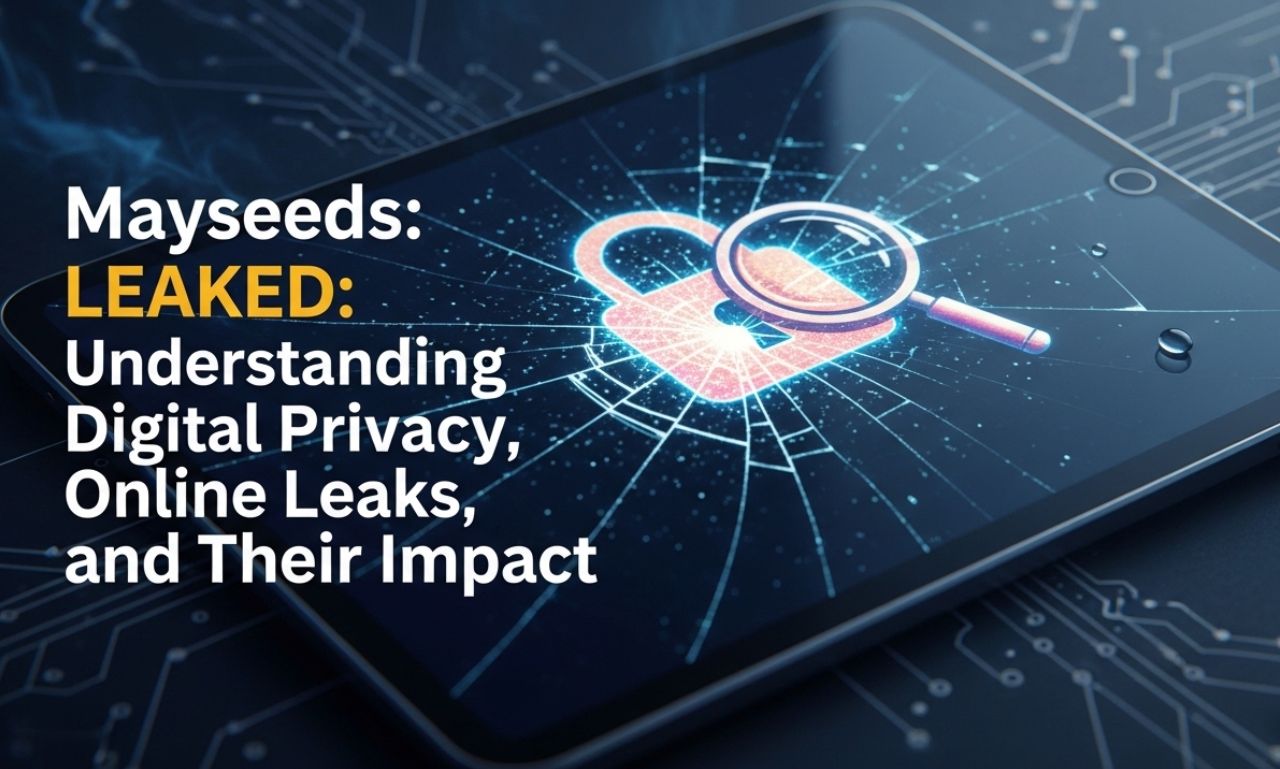
In recent years, the term “Mayseeds leaked” has circulated on social media and internet forums, often suggesting that private content associated with the name “Mayseeds” was shared online without consent. While rumors and discussions around such topics occasionally gain traction, what matters most is understanding why online leaks happen, how they affect people, and what we — as digital citizens — should know about privacy and respect in the age of social media.
This article explores what a leak is in general, why leaks occur, the implications for creators and individuals, legal frameworks in place to protect privacy, and best practices for staying safe online.
What Does “Leaked” Mean Online?
At its core, the word “leaked” refers to any content that becomes public without the approval or consent of the person or entity who owns it. This can include photos, videos, messages, documents, or other information that was intended to remain private.
In the digital world, leaks can happen in many areas:
-
Product details released before an official announcement
-
Confidential documents exposed by a whistleblower
-
Personal images or videos shared without someone’s permission
When it comes to individuals, especially influencers or creators, leaked content usually refers to private material that was shared without consent and often spreads rapidly online.
Why Do Online Leaks Happen?
There are several reasons why private content sometimes becomes public without permission:
1. Security Breaches and Hacking
Unauthorized access to a person’s device, cloud storage, or accounts can expose private files. Hackers may exploit weak passwords, phishing techniques, or security vulnerabilities to obtain sensitive content.
2. Careless Sharing or Mistakes
Sometimes people unintentionally share private files with wider audiences — for example, posting something in the wrong group or syncing content to public folders by accident.
3. Malicious Intent
Unfortunately, some leaks are deliberate. Individuals with access to private material might distribute it out of revenge, for clicks, or for financial gain. This is a violation of trust and privacy.
4. Buzz or Clickbait Culture
In some corners of the internet, unverified claims or rumors (e.g., “Mayseeds leaked”) are circulated simply to attract attention, regardless of their truth or impact on real people.
The Harm Caused by Non-Consensual Leaks
When personal content is leaked without consent, the consequences can be severe:
Emotional and Psychological Impact
Being the subject of a leak can cause shame, anxiety, embarrassment, and ongoing stress. Victims may feel violated and struggle to regain a sense of control over their own image and identity.
Reputational Damage
Leaked content, especially when misused or taken out of context, can lead to public scrutiny, harassment, or damage to someone’s reputation — often unfairly.
Professional Consequences
For creators who build careers online, privacy leaks can affect sponsorships, partnerships, and overall public perception. A creator’s professional opportunities might diminish due to an incident that was not their fault.
Privacy Violations and Harassment
Leaking personal material without consent is a breach of personal autonomy. Once content spreads online, it can be nearly impossible to fully erase, making the experience long-lasting and invasive.
Laws and Regulations Around Leaks
Different countries have legal protections designed to prevent and penalize the non-consensual sharing of private content:
Pakistan — Prevention of Electronic Crimes Act (PECA)
For example, in Pakistan, the Prevention of Electronic Crimes Act 2016 criminalizes the intentional sharing of sensitive images or videos without consent. This includes using such material to harass or blackmail another person.
The law can impose heavy penalties, including imprisonment, for the unauthorized exhibition of intimate content.
Other National and International Laws
Many other countries also have statutes that prohibit the distribution of private sexual images without consent. Some places equate such acts with privacy invasion, harassment, or even sexual exploitation.
Understanding local laws can help victims pursue legal action and deter potential offenders from engaging in non-consensual sharing.
How to Protect Yourself Online
While it’s impossible to guarantee total protection from every threat, individuals can take steps to reduce the risk of leaks:
1. Use Strong, Unique Passwords
Avoid easy-to-guess passwords. Use different passwords for each account and consider a reputable password manager.
2. Enable Two-Factor Authentication (2FA)
2FA adds an extra layer of security, requiring a second verification step before logging in.
3. Be Cautious with Sharing
Think carefully before posting personal material online. Even private chats or folders can be compromised.
4. Check Privacy Settings
Adjust account privacy settings on social platforms and storage services to limit who can see your content.
5. Educate Yourself About Scams
Don’t click unknown links or respond to suspicious requests for information — many leaks begin with simple social engineering tricks.
What To Do If You Are Affected by a Leak
Discovering that private content has been leaked can be distressing. Here’s a general approach if you or someone you know is affected:
Stay Calm and Document the Evidence
Keep records, screenshots, and URLs of the leaked content. This can be helpful if you pursue legal action.
Report the Content to Platforms
Most social platforms have mechanisms to report violations of privacy and remove unauthorized content.
Seek Legal Help
Contact a lawyer familiar with digital privacy laws in your jurisdiction. They can advise you on your rights and next steps.
Reach Out for Support
Talk to trusted friends, family, or professionals. Emotional support matters after a privacy violation.
Broader Discussion: Ethics, Respect, and Digital Responsibility
The conversation around leaks — including phrases like “Mayseeds leaked” — should always focus on respecting privacy and consent. Sharing non-consensual material is unethical, harmful, and, in many cases, illegal.
When discussing leaks online:
-
Avoid sharing or amplifying unverified claims
-
Do not click or distribute leaked material
-
Respect people’s right to control their own content
-
Report violations instead of participating in gossip
By prioritizing ethics and digital responsibility, we can create a safer and more respectful online culture.
Conclusion
The phrase “Mayseeds leaked” may circulate on social platforms and forums, but what truly matters is understanding the broader implications of leaks, digital privacy rights, and the importance of consent. Leaks can damage lives, breach trust, and violate legal protections when personal content is spread without permission.
The best approach is to protect privacy proactively, educate ourselves about online safety, and respond with empathy and responsibility when issues arise. Humanity and respect should guide how we interact with digital content and with each other online.