
 By abdul aziz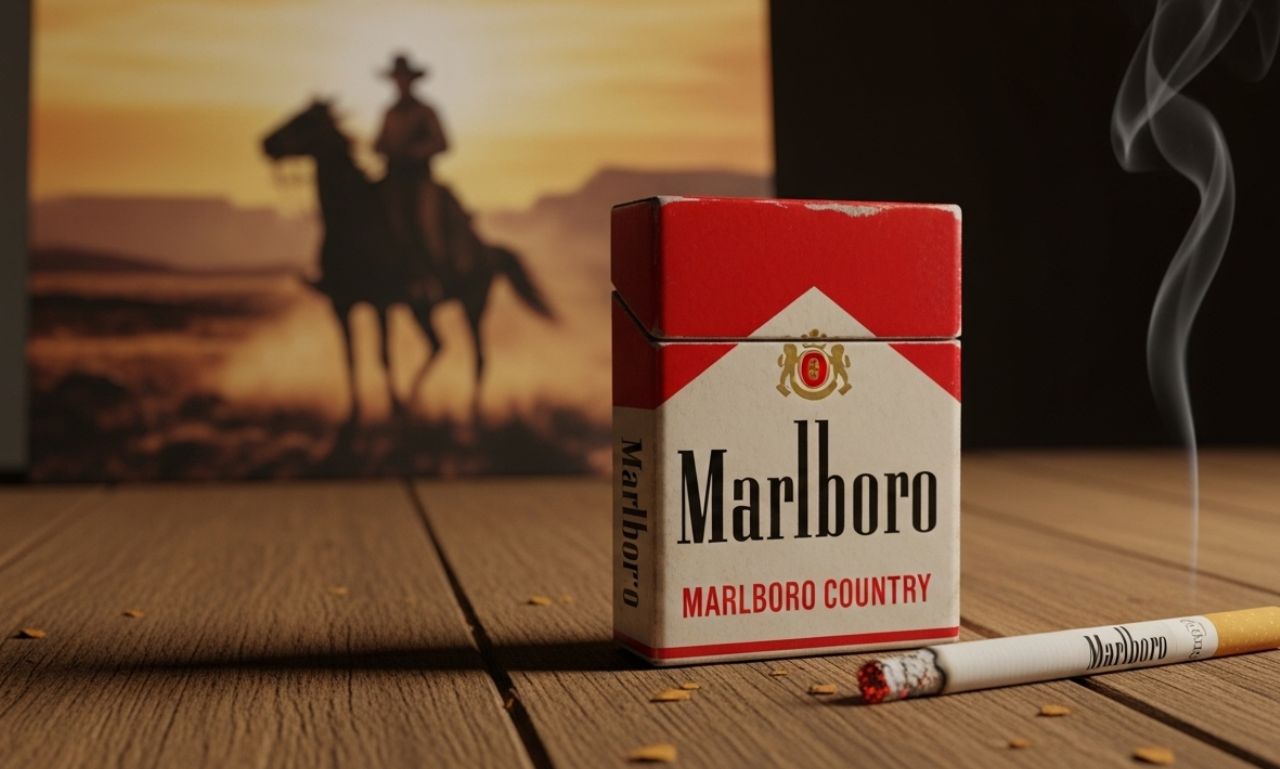
Marlboro is one of the most recognized cigarette brands in the world, known for its bold marketing, strong brand identity, and long-standing presence in the tobacco industry. Over decades, Marlboro has evolved from a niche product into a global powerhouse, becoming synonymous with rugged imagery and premium tobacco products.
Originally introduced in the early 20th century, the brand’s transformation in the 1950s marked a turning point not only for the company but for the entire tobacco marketing landscape. Today, Marlboro remains one of the leading cigarette brands worldwide, with a strong presence in numerous international markets.
The Origins of Marlboro
The Marlboro brand was first introduced in 1924 by Philip Morris USA, a subsidiary of Altria Group. Initially, Marlboro was marketed as a cigarette for women, featuring a red filter tip designed to hide lipstick marks.
Early advertising campaigns carried slogans such as “Mild as May,” emphasizing smoothness and elegance. However, this positioning did not achieve long-term commercial success. As consumer preferences shifted and the cigarette market became more competitive, Marlboro needed a bold rebranding strategy.
The Marlboro Man: A Marketing Revolution
One of the most significant moments in Marlboro’s history came in 1954 with the introduction of the Marlboro Man campaign. This iconic figure — often portrayed as a rugged cowboy — became one of the most recognizable advertising symbols of the 20th century.
The Marlboro Man campaign redefined the brand’s identity. Instead of being associated with femininity, Marlboro cigarettes were repositioned as symbols of masculinity, independence, and strength. The cowboy imagery resonated deeply with American cultural ideals of freedom and the open frontier.
This marketing shift proved incredibly successful. Sales surged dramatically, and Marlboro quickly rose to become one of the top-selling cigarette brands in the United States. The campaign also influenced advertising strategies across industries, demonstrating the power of emotional branding and lifestyle association.
Global Expansion of Marlboro
As Marlboro gained dominance in the U.S., it expanded internationally. The brand entered markets across Europe, Asia, and Latin America, adapting its distribution strategies while maintaining consistent branding.
The red-and-white chevron packaging became a globally recognized symbol. Marlboro’s consistent visual identity helped create instant brand recognition, regardless of language or cultural differences.
Today, Marlboro products are sold in more than 180 countries. Its international operations are primarily managed by Philip Morris International, which separated from Altria in 2008 to handle non-U.S. markets.
Product Variations and Innovation
Over time, Marlboro has introduced various product lines to appeal to different consumer preferences. These include:
-
Marlboro Red
-
Marlboro Gold
-
Marlboro Silver
-
Marlboro Menthol
-
Marlboro Ice Blast
Each variation offers distinct flavor intensity, nicotine levels, or menthol options. The brand has also explored reduced-risk products and alternative nicotine delivery systems in response to evolving consumer trends and regulatory pressures.
In recent years, parent companies have invested in smoke-free alternatives, reflecting a broader industry shift toward products marketed as less harmful than traditional cigarettes.
Marlboro and Motorsport Sponsorship
Marlboro played a major role in global motorsport sponsorship, particularly in Formula One. The brand became closely associated with legendary racing teams and drivers, prominently featuring its logo on race cars and uniforms.
One of its most notable partnerships was with Scuderia Ferrari, where Marlboro branding appeared on cars for decades. This sponsorship helped strengthen its image of speed, power, and performance.
However, increasing restrictions on tobacco advertising led to the gradual removal of cigarette branding from sporting events. By the mid-2000s, many countries had banned tobacco sponsorship in sports, significantly changing marketing strategies.
Controversies and Health Concerns
Like all tobacco brands, Marlboro has faced intense scrutiny and controversy due to the well-documented health risks associated with smoking. Research has consistently linked cigarette smoking to serious diseases, including lung cancer, heart disease, and respiratory conditions.
Governments worldwide have implemented stricter regulations on cigarette packaging, advertising, and public smoking. These regulations include graphic health warnings, plain packaging laws, and advertising bans.
Marlboro’s parent companies have also been involved in legal battles and settlements related to public health claims and marketing practices. These developments have shaped the modern tobacco landscape and influenced how cigarette brands operate globally.
Marlboro’s Cultural Impact
Despite controversies, Mar lboro remains culturally significant. The Mar lboro Man became a symbol of mid-20th-century advertising brilliance, often cited in marketing textbooks as a case study in brand repositioning.
The brand’s imagery influenced fashion, photography, and popular culture. Even after advertising restrictions limited direct promotion, the Marlboro aesthetic continued to represent a specific era of American branding.
However, cultural perceptions have shifted. What was once viewed as glamorous or aspirational is now often seen through the lens of public health awareness and regulation.
The Future of Marlboro
As smoking rates decline in many developed countries, Mar lboro’s future depends on adaptation and innovation. Tobacco companies are increasingly investing in smoke-free technologies and alternative nicotine products.
Philip Morris International has publicly stated ambitions to transition toward a smoke-free future, focusing on heated tobacco and other reduced-risk products.
Whether Ma rlboro will maintain its dominance in a rapidly evolving market remains to be seen. However, its legacy as one of the most recognizable consumer brands in history is firmly established.
Conclusion:
Mar lboro stands as one of the most iconic brands ever created in the tobacco industry. From its early beginnings as a women-targeted cigarette to the legendary Mar lboro Man campaign, the brand has continuously reinvented itself to stay relevant.
Its global reach, powerful marketing strategies, and cultural influence have shaped not only the tobacco market but advertising history as well. At the same time, increasing awareness of health risks and regulatory changes have dramatically altered how Marl boro operates in modern times.
While public attitudes toward smoking have shifted significantly, place in branding history remains undeniable. The story of Marl boro is a powerful example of how strategic marketing, visual identity, and cultural storytelling can build a global icon — even amid evolving social and regulatory landscapes.