
 By abdul aziz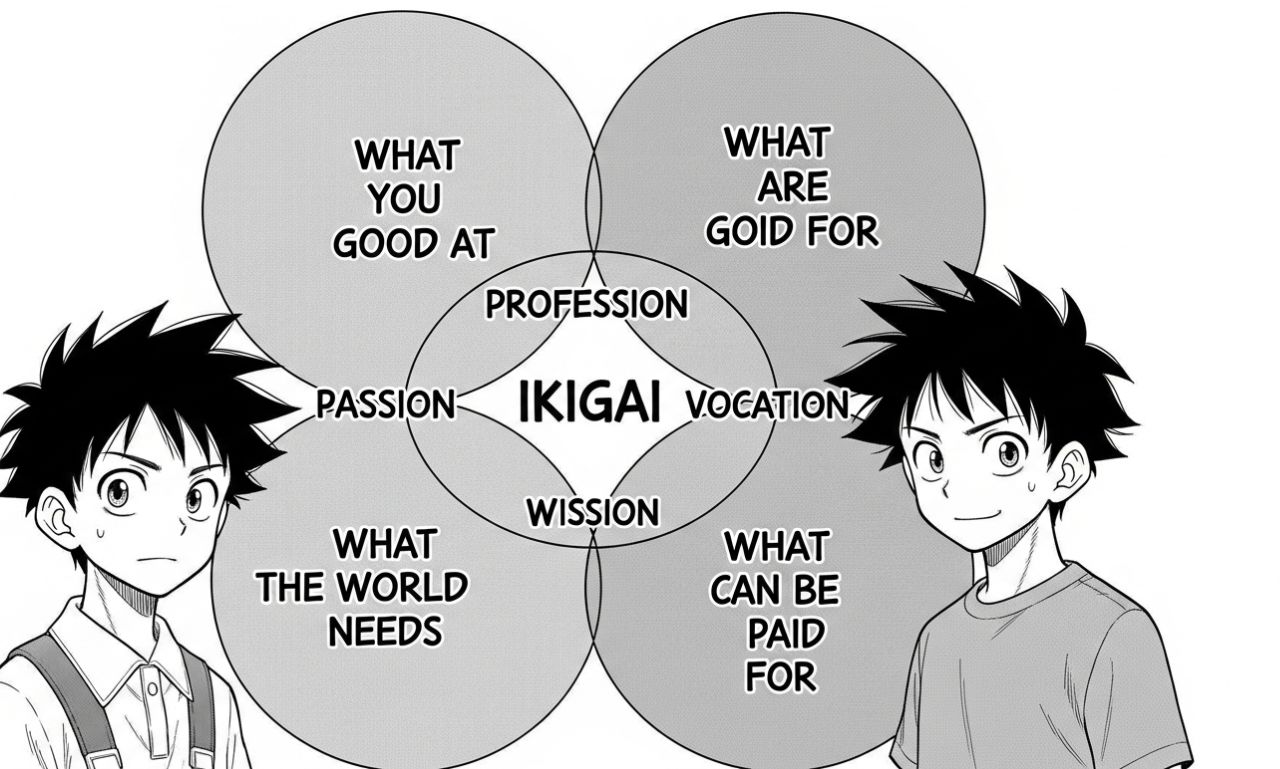
Ikigai mangas are Japanese comic books (manga) that explore the concept of ikigai—a meaningful Japanese philosophy about finding purpose and joy in life. While not all mangas explicitly focus on ikigai, many stories embody its principles through character journeys, relationships, values, and personal growth.
The term ikigai comes from Japanese words iki (life) and gai (value or worth), meaning a reason for being. In a world that increasingly seeks deeper meaning beyond work and routine, ikigai mangas provide an artistic way to reflect on life’s purpose through compelling storytelling and rich character development.
What “Ikigai” Means
Ikigai is a Japanese concept that represents the intersection of:
-
What you love
-
What you are good at
-
What the world needs
-
What you can be paid for
This balance often leads to a fulfilling and purposeful life. While originally discussed in psychology and lifestyle books, ikigai has also become a theme in literature, art, and manga.
Why Mangas Explore Ikigai
Mangas are a powerful medium for storytelling because they combine art and narrative. In ikigai mangas, creators often explore:
-
Personal dreams and ambitions
-
Family, friendships, and relationships
-
Challenges of finding meaning
-
Cultural identity
-
Life transitions and growth
Through relatable characters and visual storytelling, readers can explore their own ikigai and find inspiration within the story arcs.
Themes Common in Ikigai Mangas
Although there is no official genre labeled “ikigai manga,” many series depict elements of ikigai as part of their narrative:
1. Following One’s Passion
Characters pursue what they love despite obstacles, reflecting the what you love aspect of ikigai.
2. Self‑Discovery and Growth
Many stories follow protagonists on journeys of self‑awareness, exploring who they are and what matters most in life.
3. Purpose Through Connection
Relationships with family, friends, and community often help characters realize their purpose, aligning with ikigai’s emphasis on interconnectedness.
4. Resilience and Overcoming Struggles
Characters often face setbacks that test their resilience, illustrating how purpose is shaped through perseverance.
Examples of Mangas That Reflect Ikigai Concepts
Below are some popular mangas (and anime adaptations) that embody themes related to ikigai, even if they don’t use the word explicitly:
1. Silver Spoon (Gin no Saji)
Created by Hiromu Arakawa, Silver Spoon follows a city boy who enrolls in an agricultural school and discovers his passion through hard work, friendship, and self‑reflection. The story beautifully depicts finding purpose in unexpected places.
*2. Barakamon
This slice‑of‑life manga centers around a professional calligrapher who moves to a rural village and reconnects with his creativity, joy, and reason for living through community and simplicity.
3. March Comes in Like a Lion (3‑gatsu no Lion)
This introspective series focuses on a young professional shogi player dealing with loneliness, depression, and purpose. Along the way, supportive relationships help him redefine his reason for living and find balance.
*4. Honey and Clover
A college‑age story about young adults trying to find direction in love, study, and life. It beautifully portrays the struggle to define personal purpose and the value of following one’s heart.
How Ikigai Mangas Inspire Readers
Ikigai mangas resonate because they don’t just tell a story—they invite reflection. Through relatable struggles and victories, readers can ask themselves:
-
“What drives me?”
-
“What do I enjoy?”
-
“What gives my life meaning?”
-
“How can I make a positive impact?”
Unlike self‑help books that give direct advice, these mangas show purpose through lived experience, making lessons feel natural and emotional.
Art Style and Emotional Impact
Part of what makes ikigai mangas effective is the combination of art and narrative. Manga artists skillfully use visual cues—such as expressions, panel pacing, and symbolic imagery—to evoke emotions and emphasize inner transformation. This visual storytelling helps convey complex themes like purpose,belonging, and self‑worth without heavy exposition.
Ikigai in Everyday Life and Pop Culture
The philosophy of ikigai has influenced global self‑help and wellness movements because it encourages balance, fulfillment, and intentional living. When this concept appears in manga, it becomes accessible to wider audiences—especially young readers who identify with the struggles of identity, career, and relationships depicted in the stories.
Tips for Finding Ikigai Through Manga
If you want to read ikigai mangas with the aim of personal reflection, consider these tips:
📌 Look for Emotional Journeys
Stories where characters evolve significantly often contain ikigai elements.
📌 Notice Themes of Passion and Identity
Mangas focusing on hobbies, careers, community, or personal goals usually explore purpose.
📌 Reflect on Your Own Life
Ask yourself, “What part of this story resonates with my experience?”
📌 Enjoy the Journey
Finding purpose is not a destination but a lifelong process—just like many manga protagonists discover through growth.
Conclusion
Ikigai mangas are more than just entertaining comics—they are narratives that reflect life’s deeper questions about purpose, passion, and meaning. Whether you’re exploring your own ikigai or simply enjoying rich storytelling, these mangas offer insight and emotional resonance.
Through layers of plot, art, and character growth, ikigai themes encourage readers to reflect on what matters in life and how individuals find fulfillment in everyday moments.