
 By abdul aziz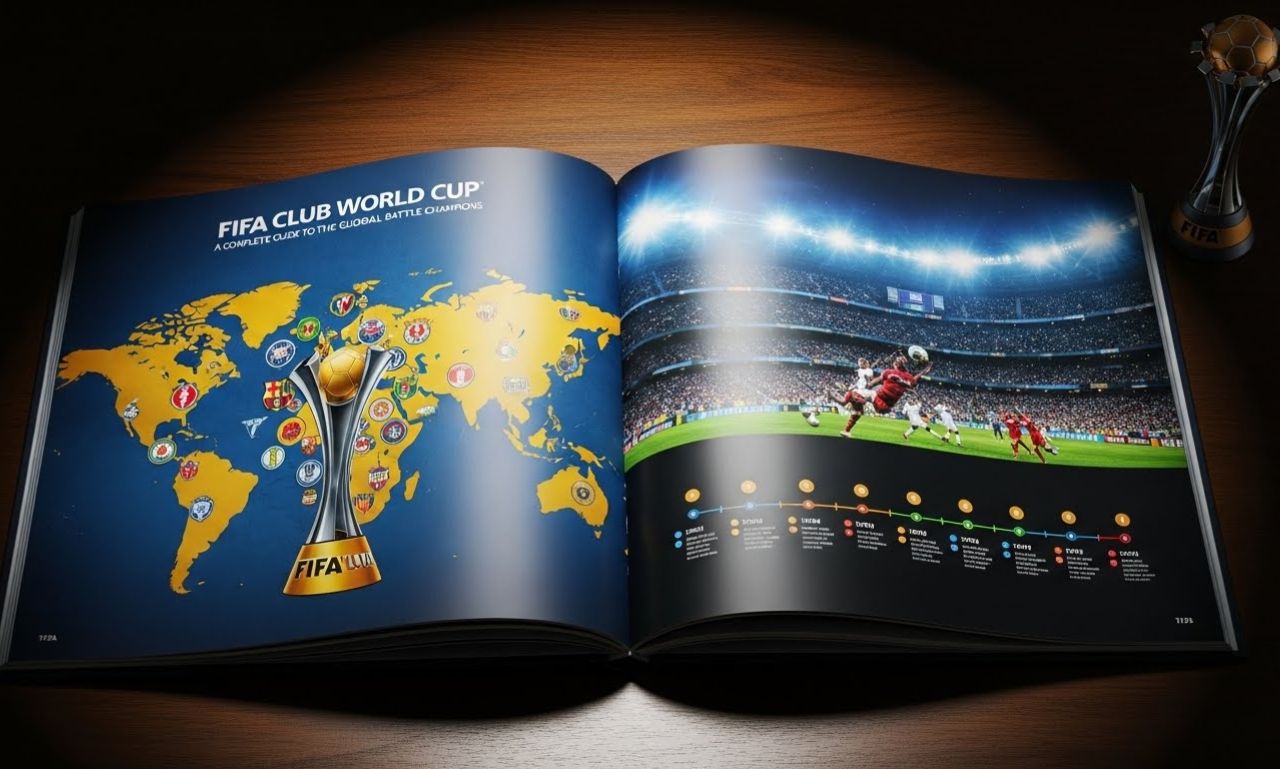
The FIFA Club World Cup is one of the most prestigious international football tournaments, bringing together the best club teams from around the world. Organized by FIFA, this competition determines the ultimate global club champion by uniting continental winners in a single, high-stakes tournament. The FIFA Club World Cup showcases diverse playing styles, elite talent, and intense competition, making it a truly global football spectacle.
As football continues to grow beyond borders, the FIFA Club World Cup plays a vital role in connecting fans, clubs, and cultures through the universal language of the sport.
What Is the FIFA Club World Cup?
The FIFA Club World Cup is an international tournament contested by champion clubs from each of FIFA’s continental confederations. These include teams from Europe, South America, Asia, Africa, North America, and Oceania, along with the host nation’s champion.
Unlike continental competitions, the FIFA Cl ub World Cup offers a rare opportunity for clubs from different regions to compete directly. This format allows fans to witness matchups that would otherwise never occur.
History and Evolution of the FIFA Club World Cup
The origins of the FIFA Cl ub World Cup trace back to FIFA’s desire to crown a true world champion at clu b level.
Early Beginnings
The first official FIFA Cl ub World Cup was held in 2000. Although early editions faced scheduling and organizational challenges, the tournament gradually gained stability and global recognition.
Replacing the Intercontinental Cup
Before the FIFA Cl ub World Cup, the Intercontinental Cup featured only European and South American champions. The new format expanded inclusivity, allowing clubs from all continents to compete on the world stage.
Tournament Format of the FIFA Club World Cup
The structure of the FIFA Club World Cup is designed to balance competition and fairness.
Participating Teams
The tournament typically includes:
-
UEFA Champions League winner
-
CONMEBOL Copa Libertadores winner
-
AFC Champions League winner
-
CAF Champions League winner
-
CONCACAF Champions League winner
-
OFC Champions League winner
-
Host nation champion
Match Progression
Teams enter the competition at different stages depending on their confederation. Higher-ranked continental champions usually advance directly to the later rounds, increasing excitement and competitive balance.
Importance
The FIFA Club World Cup holds immense significance for clubs, players, and fans.
Global Recognition
Winning the FIFA Club World Cup provides international recognition and cements a club’s status as the best in the world.
Financial and Commercial Value
Participation in the FIFA Club World Cup brings financial rewards, sponsorship exposure, and increased global fan engagement.
Prestige and Legacy
For players and coaches, success in the FIFA Club World Cup adds a unique achievement to their careers, enhancing personal and club legacy.
Dominance and Notable Performances
Historically, clubs from Europe and South America have dominated the FIFA Cl ub World Cup.
European Success
European teams often enter as favorites due to squad depth and competitive domestic leagues. Their tactical discipline and technical quality have resulted in multiple titles.
South American Passion
South American cl ubs bring intensity, flair, and strong fan culture to the FIFA Cl ub World Cup, frequently producing memorable matches and upsets.
Rising Competitiveness
In recent years, cl ubs from Asia, Africa, and North America have closed the gap, delivering stronger performances and challenging traditional powerhouses.
Global Football Development
The FIFA Cl ub World Cup contributes significantly to the growth of football worldwide.
Exposure for Emerging Leagues
Smaller leagues benefit from global exposure, allowing their cl ubs to gain experience against elite opposition.
Talent Scouting Opportunities
The tournament serves as a platform for players to showcase talent on a global stage, attracting international attention.
Fan Experience and Global Viewership
The FIFA Cl ub World Cup attracts millions of viewers worldwide.
Cultural Exchange
Fans experience different football cultures, chants, and traditions, making the FIFA Cl ub World Cup a celebration of diversity.
Stadium Atmosphere
Host nations provide vibrant stadium environments, enhancing the excitement and emotional impact of the matches.
Challenges Facing
Despite its importance, the FIFA Cl ub World Cup faces several challenges.
Scheduling Issues
Crowded football calendars make it difficult for cl ubs to prioritize the FIFA Cl ub World Cup without player fatigue concerns.
Competitive Balance
While competitiveness is improving, financial disparities between cl ubs still affect match outcomes.
Future o
The future of the FIFA Cl ub World Cup is set to evolve with FIFA’s expansion plans.
Expanded Tournament Format
An expanded FIFA Cl ub World Cup aims to include more teams, increasing competitiveness and global representation.
Enhanced Global Appeal
With improved marketing and scheduling, the FIFA Cl ub World Cup is expected to become one of the most-watched cl ub competitions worldwide.
Why the FIFA Club World Cup Matters
The FIFA Cl ub World Cup matters because it unites the global football community.
True World Champion
It determines a true world champion at cl ub level, a distinction unmatched by any other competition.
Symbol of Global Unity
The FIFA Cl ub World Cup highlights football’s ability to bring nations and cultures together through sport.
Conclusion
The FIFA Cl ub World Cup is a cornerstone of international cl ub football, offering a rare and thrilling competition between the world’s best teams. From its inclusive format to its global impact, the tournament represents the pinnacle of cl ub-level achievement.
As the FIFA Cl ub World Cup continues to expand and evolve, its importance in shaping global football culture will only grow. For fans, players, and cl ubs alike, it remains a symbol of excellence, unity, and the relentless pursuit of football greatness.