
 By izzrish izz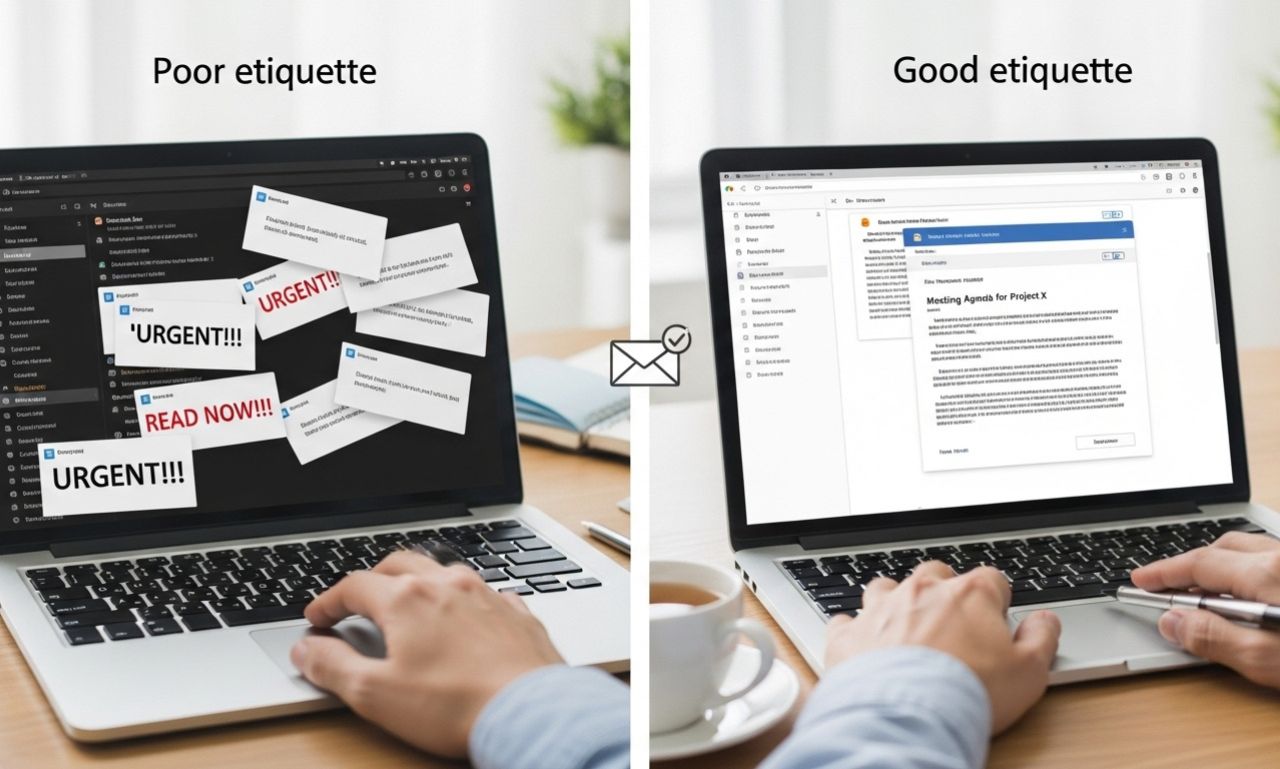
Email etiquette refers to the set of guidelines and best practices that help people communicate clearly, respectfully, and professionally through email. Proper email etiquette ensures that messages are understood as intended, creates a positive impression, and avoids misunderstandings in both personal and professional communication.
Importance of Email Etiquette
In today’s digital world, email is a primary form of communication for businesses, academics, and personal correspondence. Following email etiquette is important because it:
-
Demonstrates professionalism and respect
-
Improves clarity and reduces miscommunication
-
Enhances relationships with colleagues, clients, and friends
-
Helps manage email overload with clear, concise messages
Poor email etiquette can lead to confusion, missed opportunities, and a negative impression on the recipient.
Key Principles of Email Etiquette
1. Use a Clear Subject Line
Your subject line should summarize the email’s purpose. For example:
-
✅ “Meeting rescheduled to Friday at 3 PM”
-
❌ “Hello”
A precise subject line helps the recipient understand the priority and context of your message.
2. Professional Greeting of Email Etiquette
Always start with a polite greeting:
-
Formal: “Dear Mr. Smith,” or “Dear Dr. Johnson,”
-
Informal: “Hi Sarah,” or “Hello Team,”
Avoid overly casual greetings like “Hey” in professional emails.
3. Keep it Concise and Organized
-
Focus on one topic per email when possible
-
Use short paragraphs and bullet points for clarity
-
Avoid long, rambling messages
4. Use Proper Tone and Language
-
Be polite and respectful
-
Avoid slang or offensive language
-
Adjust tone based on the recipient (formal vs. casual)
5. Proofread Before Sending
Check for:
-
Spelling and grammar errors
-
Incorrect recipient addresses
-
Clear meaning and tone
A polished email reflects attention to detail and professionalism.
6. Appropriate Closing
End with a professional closing statement:
-
Formal: “Sincerely,” “Best regards,”
-
Informal: “Thanks,” “Best,”
Include your name, title, and contact information if needed.
7. Respond Promptly
Respond to emails within a reasonable time frame (usually 24–48 hours). If you need more time, send a short acknowledgment that you received the email.
8. Use CC and BCC Wisely
-
CC (Carbon Copy) – for people who should be aware of the message
-
BCC (Blind Carbon Copy) – to protect email addresses or discreetly include recipients
Avoid overusing CC or BCC, as it can clutter inboxes.
Common Email Mistakes to Avoid
-
Sending emails without a subject line
-
Using all caps, which can appear as shouting
-
Writing overly long emails without structure
-
Replying impulsively when emotional
-
Forgetting attachments or including the wrong files
Avoiding these mistakes helps maintain professionalism and clear communication.
Conclusion on Email Etiquette
Practicing proper email etiquette is essential for effective communication in the digital age. By writing clear, polite, and well-structured emails, you can enhance professional relationships, prevent misunderstandings, and create a positive impression on colleagues, clients, and friends. Mastering email etiquette is a small effort that yields significant benefits in both personal and professional life.