
 By abdul aziz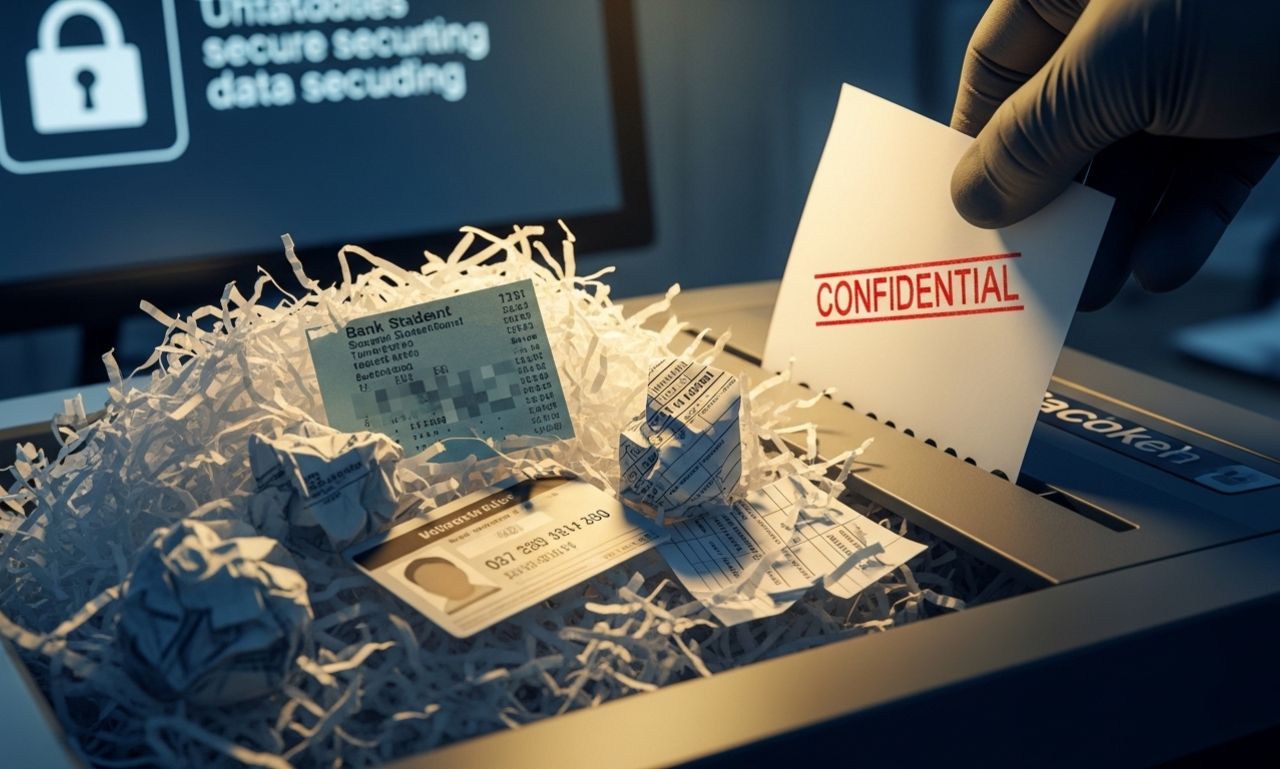
Document shredding plays a crucial role in protecting personal, financial, and business information from falling into the wrong hands. In today’s digital and paper-driven world, sensitive data exists in many forms, but physical documents still carry confidential details that require secure disposal. Document shredding ensures that private information cannot be reconstructed, misused, or exploited for fraud.
From businesses handling client records to individuals discarding old bank statements, document shredding is an essential practice for safeguarding data and maintaining privacy.
What Is Document Shredding?
Document shredding is the process of destroying paper documents to prevent unauthorized access to sensitive information. This is typically done using a shredding machine that cuts paper into tiny strips or particles, making reconstruction nearly impossible.
The main purpose of document shredding is to protect confidential information such as:
-
Financial records
-
Tax documents
-
Medical files
-
Legal contracts
-
Employee records
-
Personal identification details
Proper disposal of these documents reduces the risk of identity theft, corporate espionage, and data breaches.
Why Document Shredding Is Important
1. Prevents Identity Theft
Identity theft is a growing concern worldwide. Criminals often search through trash bins to find discarded documents containing personal data. Document shredding eliminates this risk by ensuring that private details cannot be retrieved.
2. Protects Business Reputation
For businesses, a data breach can damage credibility and customer trust. Secure document shredding protects client information and demonstrates a commitment to privacy and compliance.
3. Ensures Legal Compliance
Many countries have strict data protection regulations requiring secure disposal of sensitive documents. Failure to comply can result in heavy fines and legal consequences. Document shredding helps organizations meet these legal requirements.
Types of Document Shredding
There are several methods of document shredding, each offering different levels of security.
Strip-Cut Shredding
Strip-cut shredders slice paper into long, narrow strips. While affordable, this method offers basic security and may not be suitable for highly sensitive documents.
Cross-Cut Shredding
Cross-cut shredders cut paper both vertically and horizontally, producing smaller pieces. This provides greater security and is commonly used in offices.
Micro-Cut Shredding
Micro-cut shredders create extremely small particles, offering the highest level of document shredding security. This method is ideal for confidential corporate or government records.
On-Site vs. Off-Site Document Shredding
On-Site
With on-site services, a mobile shredding truck comes directly to your location. Documents are destroyed immediately, and you can witness the process for added security.
Off-Site
Off-site shredding involves collecting documents and transporting them to a secure facility for destruction. This option is often cost-effective for large volumes of paper.
Both options ensure secure docu ment shredding, but the choice depends on your organization’s needs and security requirements.
Benefits of Professional Document Shredding Services
While personal shredders are suitable for home use, businesses often benefit from professional services.
Efficiency
Professional docu ment shredding companies can handle large quantities quickly and efficiently.
Security Certification
Reputable shredding providers offer certificates of destruction, confirming that documents have been securely destroyed.
Environmentally Friendly Disposal
Many shredding companies recycle shredded paper, supporting eco-friendly practices and reducing landfill waste.
Best Practices for Secure Document Shredding
To maximize the effectiveness of docu ment shredding, consider these best practices:
-
Shred Regularly: Establish a routine schedule for destroying outdated records.
-
Train Employees: Ensure staff understand what documents require shredding.
-
Use Secure Bins: Keep confidential papers in locked shredding bins until disposal.
-
Develop a Retention Policy: Clearly define how long documents should be stored before shredding.
-
Choose the Right Shred Level: Select cross-cut or micro-cut shredding for sensitive materials.
Following these guidelines strengthens data protection efforts.
Common Documents That Should Be Shredded
Not all paper waste requires shredding, but the following documents should never be thrown away intact:
-
Bank statements
-
Credit card bills
-
Expired IDs
-
Payroll records
-
Medical information
-
Legal paperwork
-
Insurance documents
When in doubt, it is safer to shred than risk exposing confidential data.
Environmental Impact of Document Shredding
Modern docu ment shredding services often incorporate recycling practices. Shredded paper can be repurposed into new paper products, reducing the demand for raw materials. This eco-conscious approach ensures that secure disposal does not harm the environment.
Businesses can further reduce paper waste by adopting digital storage systems while maintaining secure shredding for physical records.
The Future of Document Shredding
As digital transformation continues, paper usage may decline. However, physical documents remain relevant in many industries, including healthcare, law, and finance. Docu ment shredding will continue to play a vital role in data security strategies.
Advanced shredding technologies and stricter data privacy laws will likely shape the future of secure disposal practices.
Final Thoughts
Docu ment shredding is more than just destroying paper—it is a critical security measure that protects individuals and businesses from identity theft, data breaches, and legal complications. By implementing secure shredding practices and working with reliable service providers, you can safeguard sensitive information effectively.
In a world where data is valuable, proper docu ment shredding ensures that confidential information stays confidential.