
 By abdul aziz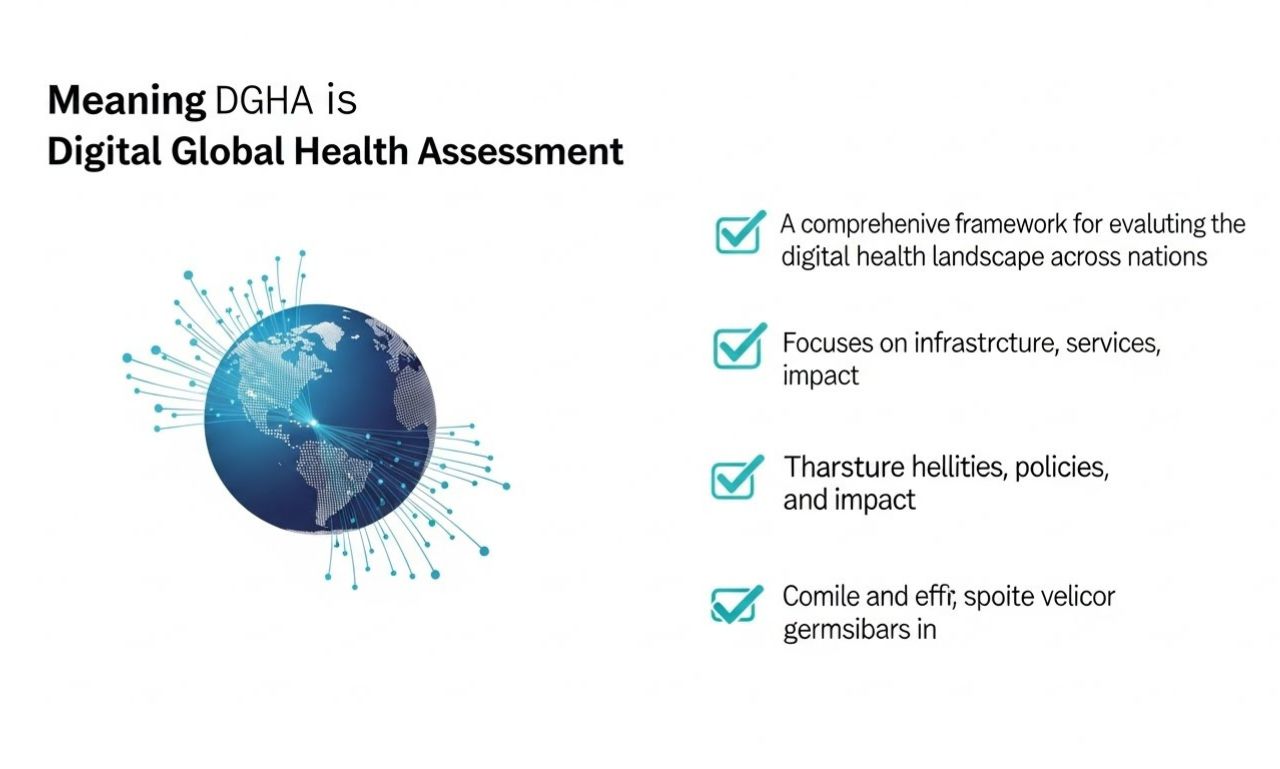
In today’s rapidly evolving professional and digital landscape, terms like dgh a are gaining attention for their layered meanings and practical applications. While the phrase may appear simple at first glance, dgh a represents a broader concept that connects governance, systems, and structured development across different sectors. Understanding dgh a is essential for readers who want clarity, accuracy, and insight into how such frameworks influence modern operations.
As industries continue to adapt to regulatory, technological, and organizational changes, dgh a has emerged as a reference point for efficiency, oversight, and strategic alignment. This article explores the concept in depth, explaining its background, significance, applications, and future potential.
What Is DGH A and Why Does It Matter?
The term dgh a is commonly used as a structured identifier rather than a casual phrase. It often reflects a formal classification, initiative, or framework within an organization or system. In many contexts, dgh a is associated with authority, accountability, and standardized processes.
The importance of dgh a lies in its ability to bring clarity to complex operations. When organizations rely on defined models like dgh a, they reduce confusion and improve coordination. This structured approach supports better decision-making, especially in environments where compliance and transparency are critical.
The Background and Evolution of DGH A
To fully understand dgh a, it is helpful to look at how such terms develop. Typically, identifiers like dgh a evolve from the need to simplify communication within large systems. Over time, they become embedded in policies, documentation, and operational guidelines.
Historically, dgh a has been shaped by the growing demand for consistency and accountability. As organizations expanded and became more interconnected, having a reliable reference system became essential. This evolution reflects a broader trend toward organized governance and measurable performance.
Key Objectives Associated With DGH A
How A Supports Structured Governance
One of the primary objectives of dgh a is to support structured governance. It helps define roles, responsibilities, and expectations within a framework. By doing so, it minimizes ambiguity and ensures that processes are followed correctly.
Structured governance is especially valuable in sectors where accuracy and compliance matter. Dgh a provides a reference that stakeholders can rely on, creating a shared understanding of standards and procedures.
The Role of A in Accountability
Another important objective of d-gh a is accountability. When systems are clearly defined, it becomes easier to track performance and outcomes. This transparency strengthens trust and encourages responsible decision-making.
Accountability also plays a role in long-term sustainability. By using d-gh a as a guiding structure, organizations can monitor progress and make adjustments when necessary.
Practical Applications of DGH A
A in Organizational Planning
In organizational planning, d-gh a is often used as a reference point for aligning strategies with goals. It helps leaders map out priorities and allocate resources effectively. This alignment ensures that plans are realistic and measurable.
By integrating d-gh a into planning processes, organizations can reduce inefficiencies and improve coordination between departments.
A in Compliance and Regulation
Compliance is another area where d-gh a proves valuable. Regulatory environments often require clear documentation and standardized procedures. D-gh a supports these requirements by offering a consistent framework that aligns with established rules.
This approach not only reduces risk but also enhances credibility. Organizations that follow structured models are better positioned to meet regulatory expectations.
Benefits of Implementing DGH A
The benefits of d-gh a extend beyond structure and compliance. One major advantage is improved communication. When everyone operates within the same framework, misunderstandings are reduced.
Another benefit is scalability. Systems built around d-gh a can adapt as organizations grow. This flexibility makes it easier to handle increased complexity without losing control or clarity.
Efficiency is also enhanced. Clear guidelines save time and resources, allowing teams to focus on innovation and performance rather than confusion.
Challenges and Limitations of DGH A
Despite its advantages, d-gh a is not without challenges. One potential limitation is rigidity. Over-reliance on structured models can reduce flexibility if not managed carefully.
Another challenge is implementation. Successfully adopting d-gh a requires training, communication, and commitment from leadership. Without proper support, even well-designed frameworks may fail to deliver results.
Recognizing these challenges is essential for maximizing the value of d-gh a while avoiding common pitfalls.
The Future Outlook of DGH A
Looking ahead, d-gh a is expected to become even more relevant as systems grow more complex. Digital transformation and data-driven decision-making will likely increase the demand for structured identifiers and frameworks.
Future developments may focus on integrating d-gh a with technology, making it more dynamic and responsive. This evolution could enhance real-time monitoring, analysis, and reporting.
As organizations continue to seek balance between structure and adaptability, d-gh a will remain a valuable reference point.
Why Understanding DGH A Is Important Today
Understanding d-gh a is important because it represents more than a term—it reflects a mindset focused on clarity, governance, and sustainable growth. Whether applied in planning, compliance, or operational management, d-gh a supports better outcomes through structure and accountability.
For professionals and organizations alike, staying informed about frameworks like d-gh a can provide a competitive advantage. It encourages informed decisions and promotes long-term success.
Conclusion:
In conclusion, dgh a plays a meaningful role in modern systems by offering structure, accountability, and clarity. Its applications span planning, governance, and compliance, making it a versatile and valuable concept.
While challenges exist, thoughtful implementation ensures that the benefits outweigh the limitations. As industries evolve, dgh a will continue to adapt, reinforcing its relevance in an increasingly complex world.