
 By abdul aziz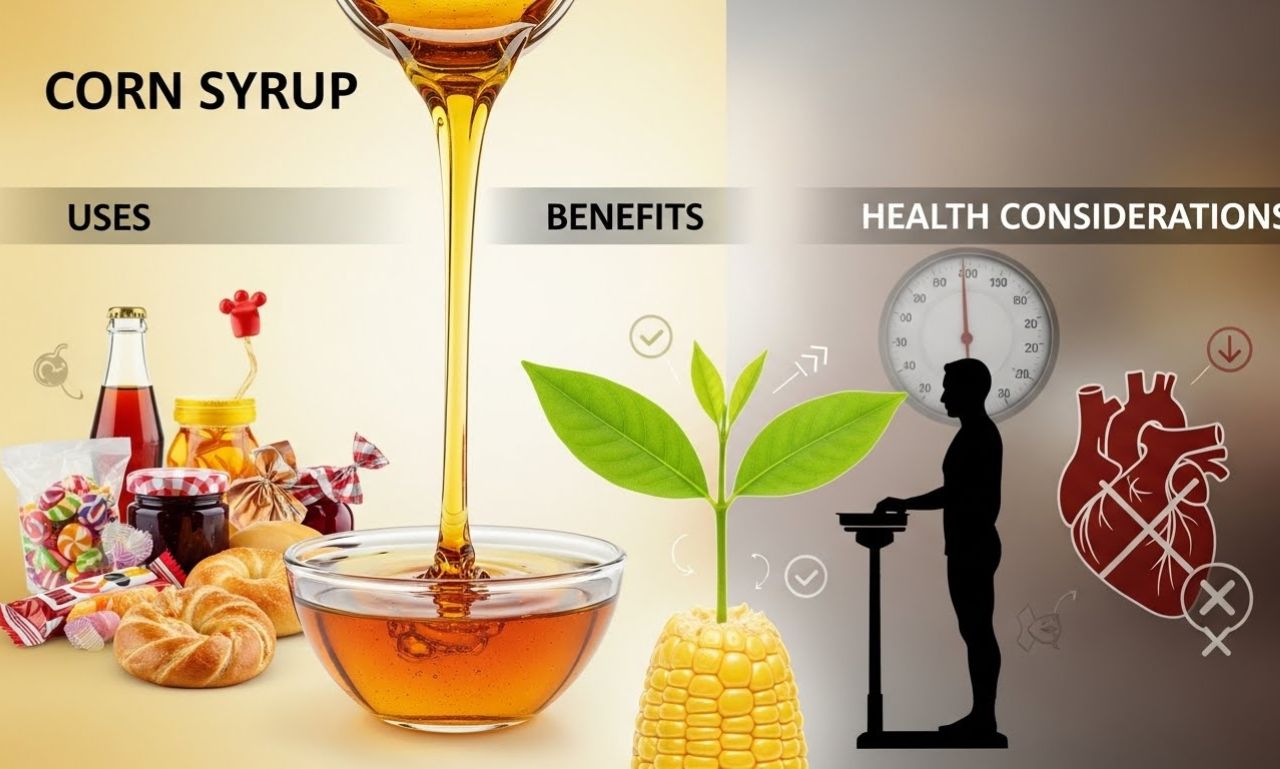
Corn syrup is a common sweetener derived from corn starch, widely used in food manufacturing and home cooking. Known for its smooth texture and sweetness, corn syrup is a key ingredient in candies, baked goods, beverages, and sauces. It is often confused with high-fructose corn syrup, but they are distinct products with different compositions and applications.
This article explores corn syrup in detail, including its types, uses, nutritional aspects, benefits, and potential health concerns, helping readers understand its role in the modern diet.
What Is Corn Syrup?
Corn sy rup is a liquid sweetener made by breaking down cornstarch into glucose through a process called hydrolysis. The resulting syrup is primarily composed of glucose molecules, which give it a mild sweetness and a thick, sticky texture.
Corn sy rup comes in two main types:
-
Light Corn Sy rup: Clear, mildly sweet, and often used in baking, candy-making, and sauces.
-
Dark Corn Sy rup: Contains additional flavoring, such as molasses or caramel, giving it a stronger taste and darker color.
Unlike table sugar, corn sy rup is liquid at room temperature, making it ideal for recipes requiring smooth, even sweetness without crystallization.
Uses of Corn Syrup
1. Candy and Confectionery
Corn sy rup prevents sugar crystallization, making it perfect for soft candies, caramels, and fudge. Its smooth texture enhances chewiness and consistency in sweet treats.
2. Baking
In baked goods, corn sy rup adds moisture, improves texture, and extends shelf life. It is commonly used in cakes, cookies, and pastries to retain softness.
3. Sauces and Toppings
Corn sy rup serves as a sweetener and thickening agent in sauces, glazes, syrups, and toppings. It provides shine and consistency, especially in dessert sauces.
4. Beverages
Corn sy rup is sometimes used in beverages as a sweetener and to maintain consistent flavor and texture in drinks like soft drinks and flavored syrups.
Nutritional Information
Corn sy rup primarily contains glucose, which provides energy but has little to no vitamins or minerals. It is high in calories but low in nutritional value.
Nutritional profile (per tablespoon of light corn sy rup):
-
Calories: ~60
-
Carbohydrates: 16 g
-
Sugars: 16 g
-
Fat: 0 g
-
Protein: 0 g
Due to its high sugar content, corn sy rup should be consumed in moderation as part of a balanced diet.
Benefits of Corn Syrup
1. Prevents Crystallization in Candy
Corn sy rup inhibits sugar crystals from forming, ensuring smooth and consistent textures in candies and confections.
2. Enhances Moisture in Baked Goods
Corn sy rup helps baked products retain moisture, keeping cakes and cookies soft for longer periods.
3. Improves Flavor and Texture
It adds subtle sweetness and contributes to the chewiness and mouthfeel of desserts, sauces, and syrups.
4. Cost-Effective Sweetener
Corn sy rup is affordable and widely available, making it a practical choice for both commercial food production and home cooking.
High-Fructose Corn Syrup vs Corn Syrup
While both are derived from cornstarch, high-fructose corn sy rup (HFCS) undergoes additional processing to convert some glucose into fructose, increasing sweetness. HFCS is commonly used in soft drinks and processed foods, whereas regular corn sy rup mainly contains glucose. Understanding this difference is important for dietary and health considerations.
Potential Health Considerations
1. Weight Gain and Obesity Corn Syrup
Excessive consumption of sugar-rich foods, including corn sy rup, may contribute to weight gain and obesity due to high-calorie content.
2. Blood Sugar Impact Corn Syrup
Since corn sy rup is high in glucose, it can cause rapid increases in blood sugar levels, which may be a concern for individuals with diabetes or insulin resistance.
3. Dental Health Corn Syrup
Like other sugary foods, corn sy rup can promote tooth decay if consumed frequently without proper oral hygiene.
4. Moderation Is Key Corn Syrup
While corn sy rup is generally safe for consumption, it should be used in moderation as part of a balanced diet to avoid potential negative health effects.
Alternatives to Corn Syrup
For those seeking alternatives, several options provide sweetness and texture without using corn sy rup:
-
Honey: Natural sweetener with additional vitamins and antioxidants.
-
Maple Syrup: Adds sweetness with unique flavor, ideal for desserts and pancakes.
-
Agave Syrup: Lower glycemic index than corn sy rup, suitable for moderate use.
-
Molasses: Strong flavor and nutrients, often used in baking and cooking.
How to Use Corn Syrup in Cooking
-
For Candy: Combine with sugar and butter to prevent crystallization.
-
For Baking: Replace part of sugar or liquid ingredients to maintain moisture.
-
For Sauces: Stir into glazes or dessert sauces for smooth texture and shine.
-
Storage Tips: Store in a cool, dry place and seal tightly to prevent crystallization and contamination.
Conclusion
Corn sy rup is a versatile and widely used sweetener in the food industry and home kitchens. Its ability to prevent crystallization, retain moisture, and improve texture makes it a valuable ingredient in candies, baked goods, sauces, and beverages. While it is generally safe, moderation is important due to its high sugar content and potential impact on health. By understanding its uses, benefits, and considerations, corn sy rup can be used effectively and safely in a variety of culinary applications.