
 By izzrish izz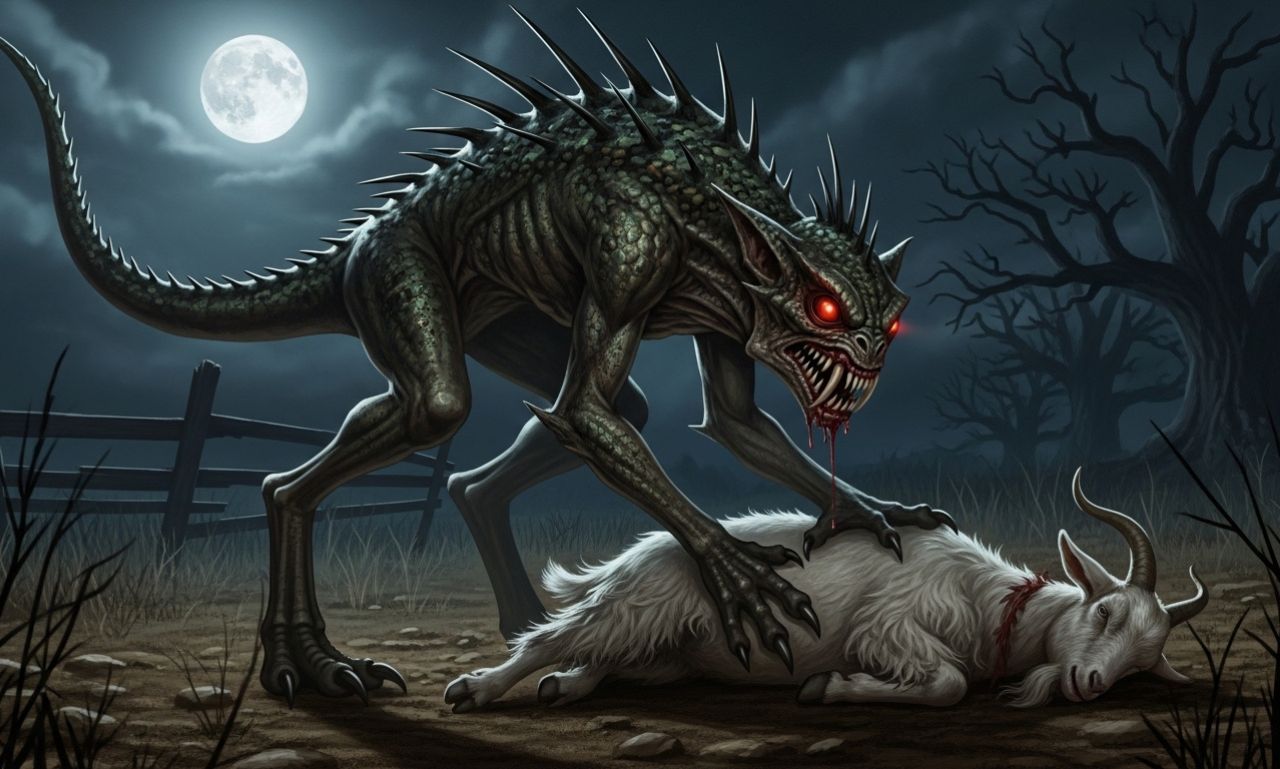
The Chupacabra is a legendary creature from modern folklore that is said to attack livestock and drink their blood. The name “chupacabra” comes from Spanish and roughly translates to “goat sucker.” Stories about this mysterious creature began in the late 20th century and quickly spread across Latin America and parts of the United States.
Although no scientific evidence proves the creature exists, the chupacabra has become a well-known figure in urban legends and popular culture.
Origin of the Legend
The chupacabra legend first gained widespread attention in Puerto Rico during the mid-1990s. Farmers reported finding goats, chickens, and other livestock dead with unusual puncture marks on their bodies and very little blood remaining.
These mysterious animal deaths led people to believe that a strange predator was responsible. Media reports and eyewitness stories soon spread the legend throughout Latin America and the United States.
Appearance and Descriptions
Descriptions of the chupacabra vary widely depending on the region and eyewitness accounts. However, two common versions appear in folklore.
Reptilian Version
In early reports from Puerto Rico, the creature was described as:
-
About 3–4 feet tall
-
Having spikes running down its back
-
Possessing large glowing eyes
-
Walking on two legs
-
Having scaly or reptile-like skin
This version appears more like a creature from science fiction.
Canine Version
Later sightings, especially in the United States, described the chupacabra differently:
-
Similar to a hairless dog or coyote
-
With sharp teeth
-
Thin body and rough skin
-
Often suffering from mange, a skin disease
Scientists believe many sightings of this version were actually wild animals with severe skin infections.
Behavior in the Legend
According to folklore, the chupacabra attacks animals such as:
-
Goats
-
Chickens
-
Sheep
-
Rabbits
The creature supposedly drains blood from its victims, leaving small puncture wounds on the neck or body.
Most sightings claim the creature is nocturnal, meaning it appears mainly at night and avoids human contact.
Scientific Explanations
Many researchers and wildlife experts believe the chupacabra legend can be explained by misidentified animals.
Possible explanations include:
-
Coyotes or dogs with mange
-
Wild animals attacking livestock
-
Exaggerated or misunderstood reports
For example, the Texas Parks and Wildlife Department has investigated several supposed chupacabra sightings and concluded that many were actually mangy coyotes.
Cultural Impact on Chupacabra
Even though the chupacabra has not been scientifically proven to exist, it has become a popular figure in:
-
Folklore and urban legends
-
Television documentaries
-
Horror movies and books
-
Internet culture and memes
The creature is often compared to other mysterious cryptids like Bigfoot and the Loch Ness Monster, which also attract curiosity despite limited evidence.
Conclusion on Chupacabra
The chupacabra remains one of the most famous modern folklore creatures. Originating from mysterious livestock deaths in Puerto Rico, the legend quickly spread throughout the Americas. While scientists believe sightings are likely misidentified animals, the story of the chupacabra continues to fascinate people around the world and remains a powerful example of how myths and legends evolve in modern times.
The Chupacabra is a legendary creature from modern folklore that is said to attack livestock and drink their blood. The name “chupacabra” comes from Spanish and roughly translates to “goat sucker.” Stories about this mysterious creature began in the late 20th century and quickly spread across Latin America and parts of the United States.
Although no scientific evidence proves the creature exists, the chupacabra has become a well-known figure in urban legends and popular culture.
Origin of the Legend
The chupacabra legend first gained widespread attention in Puerto Rico during the mid-1990s. Farmers reported finding goats, chickens, and other livestock dead with unusual puncture marks on their bodies and very little blood remaining.
These mysterious animal deaths led people to believe that a strange predator was responsible. Media reports and eyewitness stories soon spread the legend throughout Latin America and the United States.
Appearance and Descriptions
Descriptions of the chupacabra vary widely depending on the region and eyewitness accounts. However, two common versions appear in folklore.
Reptilian Version
In early reports from Puerto Rico, the creature was described as:
-
About 3–4 feet tall
-
Having spikes running down its back
-
Possessing large glowing eyes
-
Walking on two legs
-
Having scaly or reptile-like skin
This version appears more like a creature from science fiction.
Canine Version
Later sightings, especially in the United States, described the chupacabra differently:
-
Similar to a hairless dog or coyote
-
With sharp teeth
-
Thin body and rough skin
-
Often suffering from mange, a skin disease
Scientists believe many sightings of this version were actually wild animals with severe skin infections.
Behavior in the Legend
According to folklore, the chupacabra attacks animals such as:
-
Goats
-
Chickens
-
Sheep
-
Rabbits
The creature supposedly drains blood from its victims, leaving small puncture wounds on the neck or body.
Most sightings claim the creature is nocturnal, meaning it appears mainly at night and avoids human contact.
Scientific Explanations of Chupacabra
Many researchers and wildlife experts believe the chupacabra legend can be explained by misidentified animals.
Possible explanations include:
-
Coyotes or dogs with mange
-
Wild animals attacking livestock
-
Exaggerated or misunderstood reports
For example, the Texas Parks and Wildlife Department has investigated several supposed chupa cabra sightings and concluded that many were actually mangy coyotes.
Cultural Impact of Chupacabra
Even though the chupa cabra has not been scientifically proven to exist, it has become a popular figure in:
-
Folklore and urban legends
-
Television documentaries
-
Horror movies and books
-
Internet culture and memes
The creature is often compared to other mysterious cryptids like Bigfoot and the Loch Ness Monster, which also attract curiosity despite limited evidence.
Conclusion on Chupacabra
The chupa cabra remains one of the most famous modern folklore creatures. Originating from mysterious livestock deaths in Puerto Rico, the legend quickly spread throughout the Americas. While scientists believe sightings are likely misidentified animals, the story of the chupa cabra continues to fascinate people around the world and remains a powerful example of how myths and legends evolve in modern times.