
 By abdul aziz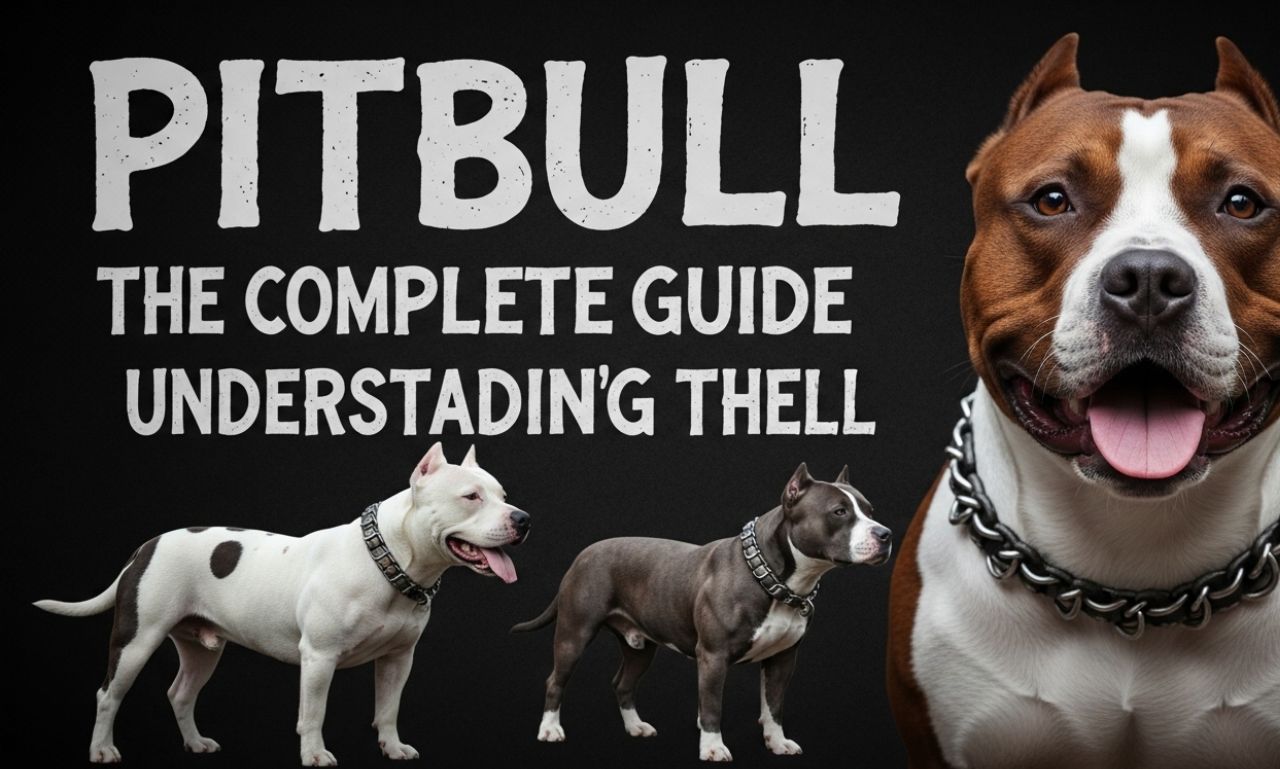
The pitbull is one of the most discussed and often misunderstood dog types in the world. Known for strength, loyalty, and intelligence, the pitbull has gained both devoted fans and vocal critics over the years. Despite the controversies surrounding the breed, many owners describe their pitbull companions as affectionate, playful, and deeply devoted family members. In this comprehensive guide, we will explore the history, temperament, characteristics, care requirements, and common misconceptions about the pitbull.
The History of the Pitbull
The story of the pitbull begins in the 19th century in England. These dogs were originally bred from bulldogs and terriers to create a strong, agile animal suitable for farm work and, unfortunately, blood sports such as bull-baiting. When these cruel practices were banned, the breed transitioned into roles as farm helpers and loyal household companions.
Immigrants later brought pitbull-type dogs to the United States, where they became popular as working dogs on farms. They guarded property, hunted wild game, and served as family protectors. In fact, during the early 20th century, the pitbull was widely regarded as a symbol of courage and loyalty.
Several breeds fall under the umbrella term “pitbull,” including the American Pit Bull Terrier, the American Staffordshire Terrier, and the Staffordshire Bull Terrier. While these breeds share similarities, each has distinct standards and traits.
Physical Characteristics of the Pitbull
The pitbull is a medium-sized, muscular dog with a strong and athletic build. They typically have broad heads, powerful jaws, and short, smooth coats. Coat colors vary widely and can include black, brown, white, gray, brindle, and combinations of these shades.
Most pitbulls weigh between 30 and 70 pounds, depending on the specific breed type and gender. Their compact, muscular bodies give them an appearance of strength and confidence. Despite their tough exterior, many pitbulls have expressive eyes that reveal their affectionate nature.
Pitbull Strength and Agility
A key trait of the pitbull is its impressive physical ability. These dogs are known for endurance, speed, and agility. With proper training and exercise, they can excel in activities such as obedience competitions, agility sports, and even therapy work.
Regular physical activity is essential to maintain a healthy pitbull. Without sufficient exercise, they may become bored or restless. A daily routine of walks, playtime, and mental stimulation keeps them happy and balanced.
Pitbull Temperament and Personality
The temperament of a pitbull largely depends on breeding, training, and socialization. Contrary to popular belief, many pitbulls are friendly and affectionate toward people. They are known for their loyalty and often form strong bonds with their families.
Pitbull as a Family Dog
When properly raised, the pitbull can be a loving family companion. They are often playful with children and enjoy being part of family activities. Early socialization with other pets and people is important to ensure balanced behavior.
Like all dogs, pitbulls require responsible ownership. Positive reinforcement training methods work particularly well with this intelligent breed. Consistency, patience, and reward-based techniques help shape a well-mannered companion.
Common Misconceptions About the Pitbull
One of the biggest challenges faced by the pitbull community is overcoming stereotypes. Media coverage of dog attacks has often focused on pitbull-type dogs, leading to fear and misunderstanding. However, experts agree that behavior is influenced more by training and environment than by breed alone.
Breed-specific legislation in some regions restricts or bans ownership of pitbull-type dogs. Critics argue that such laws fail to address the root causes of aggression, which typically involve neglect, abuse, or improper training.
It is essential to evaluate each pitbull as an individual rather than judging based on appearance or reputation. Responsible breeding and proper socialization significantly reduce the risk of behavioral problems.
Caring for a Pitbull
Owning a pitbull requires commitment and responsibility. These dogs thrive in environments where they receive attention, structure, and love.
Nutrition for a Healthy Pitbull
A balanced diet is crucial for maintaining the muscular build and energy levels of a pitbull. High-quality dog food rich in protein supports muscle development and overall health. Owners should consult a veterinarian to determine the appropriate portion sizes and nutritional needs.
Fresh water should always be available, and treats should be given in moderation to prevent obesity.
Grooming Needs of the Pitbull
The pitbull has a short coat that is relatively easy to maintain. Weekly brushing helps remove loose hair and keeps the coat shiny. Regular nail trimming, ear cleaning, and dental care are also important parts of routine grooming.
Because they have short fur, pitbulls may be sensitive to extreme cold. In colder climates, a dog sweater can help keep them comfortable during winter walks.
Training and Socialization for the Pitbull
Early training plays a vital role in shaping a well-behaved pitbull. Puppy training classes provide opportunities for socialization and help establish positive habits.
Positive reinforcement methods—such as praise, treats, and play—are particularly effective. Harsh punishment can damage trust and lead to fear-based behaviors. A confident and patient owner can bring out the best qualities in a pitbull.
Consistent boundaries and clear commands help this intelligent breed understand expectations. With proper guidance, pitbulls can become obedient, friendly, and dependable companions.
Health Considerations in the Pitbull
Like all breeds, the pit bull may be prone to certain health conditions. Common concerns include hip dysplasia, allergies, and skin issues. Regular veterinary checkups ensure early detection and treatment of potential problems.
Maintaining a healthy weight, providing balanced nutrition, and ensuring regular exercise all contribute to a longer lifespan. On average, a pit bull lives between 12 and 14 years when properly cared for.
Responsible breeders screen for genetic conditions to reduce the risk of inherited diseases. Prospective owners should research breeders carefully or consider adoption from reputable rescue organizations.
The Pitbull in Modern Society
In recent years, many advocates have worked to improve the public image of the pit bull. Countless stories highlight pitb ulls serving as therapy dogs, search-and-rescue helpers, and beloved pets.
Social media campaigns and educational initiatives encourage people to learn more about the breed’s true nature. As awareness grows, more families are discovering the affectionate and loyal qualities of the pit bull.
Adoption rates for pi tbull-type dogs have increased in some regions as misconceptions gradually fade. Responsible ownership and community education remain key factors in shaping a positive future for this remarkable breed.
Is the Pitbull Right for You?
Before choosing a pit bull, potential owners should assess their lifestyle and ability to provide proper care. These dogs require time, attention, and consistent training. Active individuals or families who enjoy outdoor activities often find that a pit bull fits well into their routine.
It is also important to check local regulations regarding pitb ull ownership. Understanding the responsibilities involved ensures a safe and rewarding experience for both dog and owner.
When raised in a loving and structured environment, the pit bull can become a devoted companion who brings joy, protection, and companionship for many years.
Conclusion:
The pit bull is far more than the stereotypes that surround it. With a rich history, impressive physical abilities, and a loyal temperament, this breed continues to capture the hearts of dog lovers worldwide. Responsible breeding, proper training, and compassionate ownership play essential roles in shaping the behavior and reputation of the pit bull.
By looking beyond misconceptions and focusing on facts, we can better appreciate the true nature of the pit bull. When treated with care and respect, these dogs often reveal themselves as affectionate, intelligent, and trustworthy companions.