
 By abdul aziz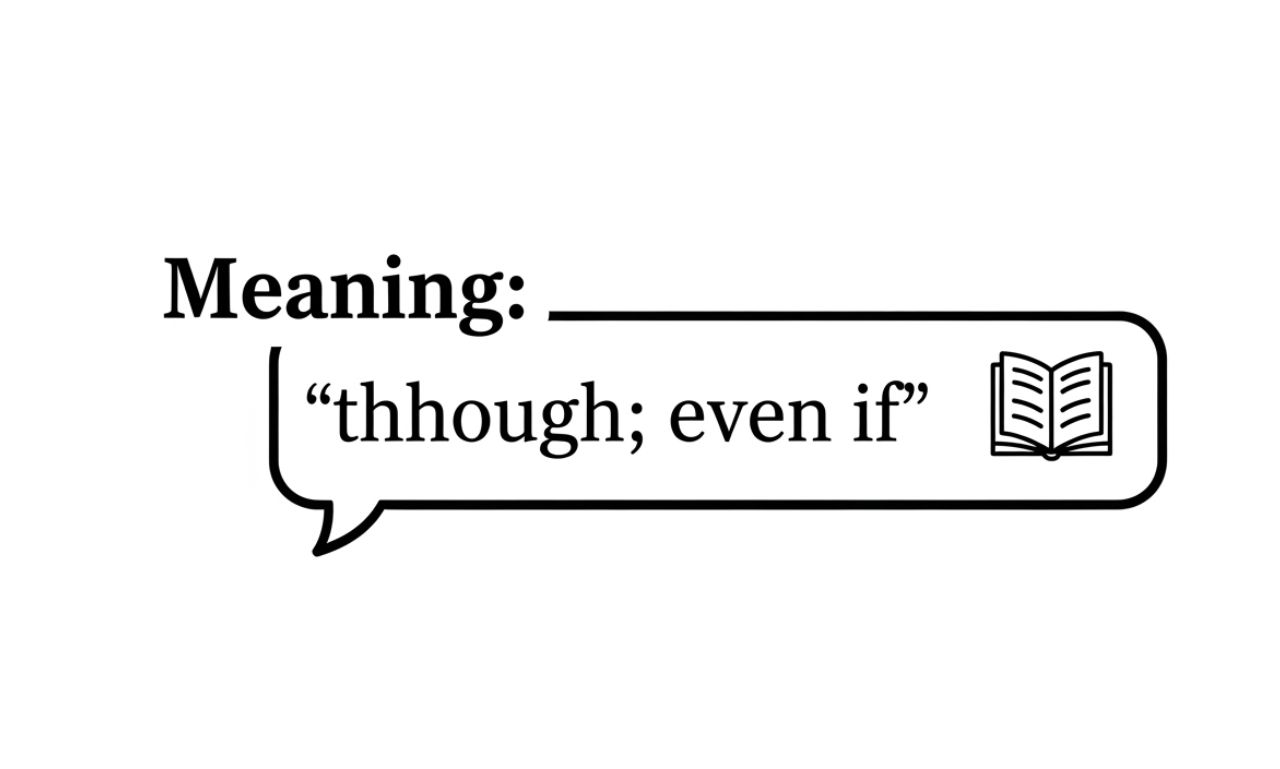
Al beit is a conjunction in the English language that means “although” or “even though.” While it may sound formal or slightly old-fashioned, albeit remains widely used in academic, professional, and literary writing. Many writers appreciate al beit because it allows them to connect contrasting ideas in a concise and elegant way.
In everyday conversation, alb eit is less common than “although,” but in written English, it adds a refined tone. Understanding how to use albeit correctly can improve clarity, enhance style, and strengthen sentence structure. In this article, we will explore the meaning, origin, grammatical role, and practical applications of alb eit.
Albeit – Origin and Historical Background
The word alb eit has an interesting history. It originated in Middle English as a contraction of the phrase “all be it,” which essentially meant “although it be.” Over time, the phrase was shortened into a single word, alb eit.
Alb eit has been part of the English language for centuries. It frequently appeared in older literature and formal writing. Authors valued alb eit for its ability to introduce contrast smoothly without needing a full dependent clause.
Even today, alb eit maintains a formal tone. It is more commonly found in essays, research papers, news articles, and professional documents than in casual speech.
Albeit – Definition and Grammatical Role
A lbeit functions as a subordinating conjunction. Its primary purpose is to introduce a contrasting idea. However, unlike “although,” alb eit is typically followed by a phrase rather than a complete independent clause.
For example:
-
She accepted the offer, alb eit reluctantly.
-
The project was successful, alb eit expensive.
-
He completed the race, alb eit with difficulty.
In these examples, alb eit connects the main statement with a contrasting detail. Notice that what follows alb eit is not a full sentence. This is one of the most important rules when using this word.
Albeit vs Although – Understanding the Difference
Many people confuse albeit with although. While they share similar meanings, their usage differs slightly.
Although Example:
-
Although the weather was cold, we went hiking.
Albeit Example:
-
We went hiking, alb eit in cold weather.
The key difference is that although introduces a full clause, whereas alb eit usually introduces a modifying phrase. Understanding this distinction helps prevent grammatical errors.
Alb eit often appears in the middle or end of a sentence, rather than at the beginning.
Albeit in Academic and Professional Writing
Albeit is especially popular in academic writing because it allows for nuanced expression. Scholars often need to present balanced arguments, acknowledging both strengths and limitations.
For example:
-
The study produced promising results, albeit with a small sample size.
-
The proposal is innovative, albeit somewhat costly.
In professional settings, albeit can add sophistication to reports, presentations, and business communications. However, it should be used appropriately. Overusing it may make writing sound overly formal or forced.
Albeit in Literature and Media
Writers frequently use albeit in novels, essays, and journalistic pieces. Its rhythmic flow makes it appealing in narrative writing.
For instance:
-
The journey was long, albeit unforgettable.
-
The solution was simple, albeit temporary.
Such constructions allow authors to create contrast without breaking the flow of the sentence. This stylistic advantage explains why albeit continues to appear in modern publications.
Common Mistakes When Using Albeit
Despite its usefulness, albeit is often misused. Here are some common mistakes to avoid:
1. Using a Full Clause After
Incorrect:
-
She was happy, al beit she was tired.
Correct:
-
She was happy, al beit tired.
If you need to use a full clause, “although” is usually the better choice.
2. Overusing
Because al beit sounds formal, some writers overuse it to appear sophisticated. However, variety is important. Using alternatives like “although,” “even though,” or “though” can create more natural writing.
3. Incorrect Punctuation
Al beit is typically preceded by a comma when it appears mid-sentence. This comma helps clarify the contrast.
Example:
-
The meal was delicious, al beit slightly overpriced.
Albeit in Everyday Language
Although albeit is more common in writing, it can still appear in spoken language, especially in formal discussions or presentations.
For example:
-
It was a good experience, albeit challenging.
However, in casual conversation, people tend to prefer simpler alternatives like “though” or “even though.” This shift reflects how spoken language prioritizes ease and familiarity.
Why Albeit Still Matters
Language evolves constantly, yet alb eit has remained relevant for centuries. Its compact structure allows speakers and writers to introduce contrast efficiently. Instead of writing a long explanatory clause, al beit condenses the contrast into a short phrase.
In a world where clarity and brevity are valued, al beit offers a practical solution. It enhances sentence variety and avoids repetitive use of more common conjunctions.
Moreover, mastering words like a lbeit demonstrates strong command of English. It signals attention to detail and understanding of nuanced grammar.
Examples of Albeit in Different Contexts
To better understand its flexibility, here are examples across various fields:
Business:
-
The company reported profits, al beit lower than expected.
Education:
-
The student performed well, al beit inconsistently.
Technology:
-
The software update was successful, albeit delayed.
Travel:
-
The trip was exhausting, al beit rewarding.
Each example demonstrates how al beit introduces a contrasting detail without forming a complete sentence.
Conclusion
Alb eit may be a small word, but its impact on writing is significant. Meaning “although” or “even though,” alb eit connects ideas smoothly and elegantly. Its historical roots, formal tone, and grammatical precision make it a valuable addition to any writer’s vocabulary.
By understanding how alb eit functions—especially its tendency to introduce phrases rather than full clauses—you can avoid common mistakes and improve your writing style. Whether in academic essays, professional reports, or creative narratives, alb eit remains a powerful tool for expressing contrast.
Ultimately, alb eit proves that even a single word can enhance clarity, sophistication, and expression in modern English.