
 By abdul aziz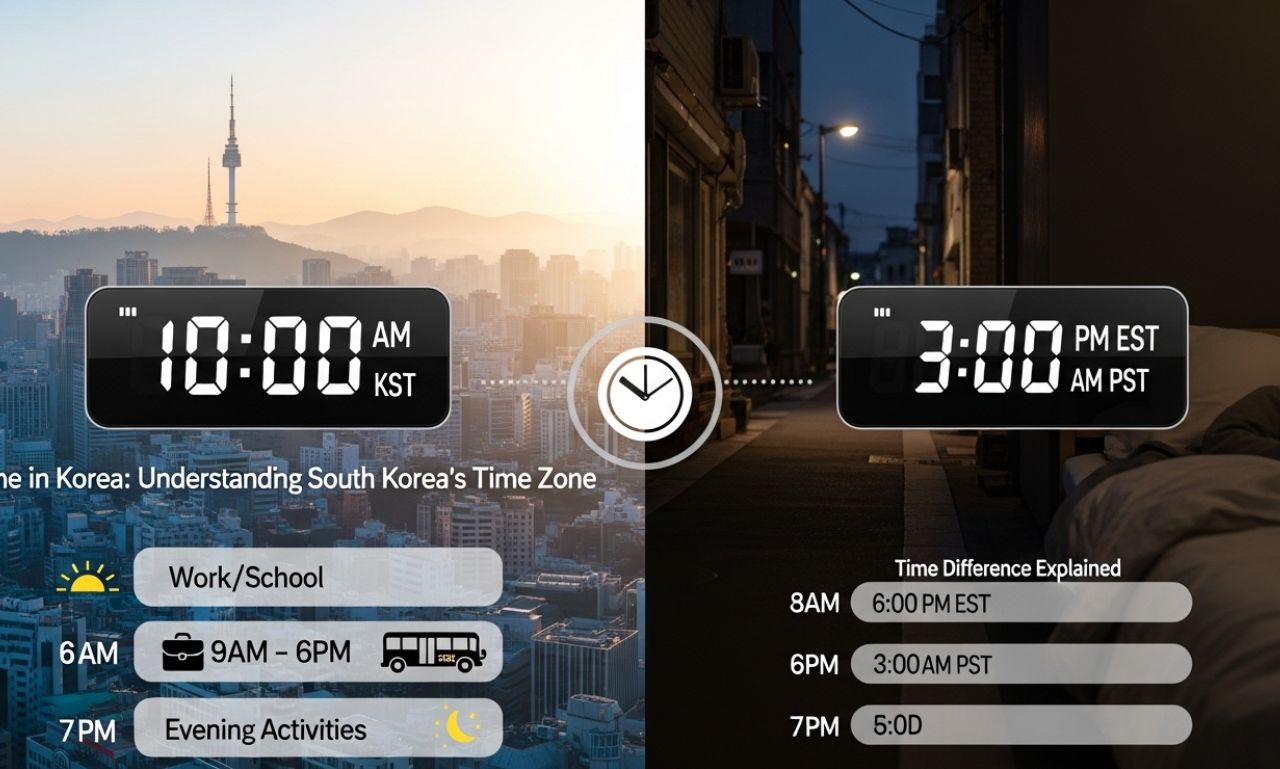
Knowing the time in Korea is essential for travelers, international workers, students, and anyone doing business with South Korea. As a global hub for technology, entertainment, and trade, Korea operates on a strict and well-organized time system. Whether you are planning a trip, scheduling a meeting, or watching a live K-pop event, understanding Korean time will help you stay perfectly in sync.
This article explains the time zone used in Korea, how it compares with other countries, and why accurate knowledge of local time is so important in everyday and professional situations.
What Is the Official Time in Korea?
The official ti me in Korea follows Korea Standard Time (KST). Korea Standard Time is UTC +9 hours, meaning it is nine hours ahead of Coordinated Universal Time. South Korea uses a single national time zone, which makes timekeeping consistent across the entire country.
Unlike many other countries, South Korea does not observe daylight saving time. This means the time remains the same throughout the year, making scheduling simpler for both residents and international partners.
Why the Time in Korea Is Important Globally
The ti me in Korea matters on a global scale because South Korea plays a major role in international business, manufacturing, entertainment, and technology. Companies around the world coordinate with Korean offices for production schedules, virtual meetings, and product launches.
For fans of Korean dramas, esports, and music, knowing the correct time ensures you don’t miss live broadcasts or online events. Even a small time difference can mean missing an important moment.
Time in Korea Compared to Other Countries
Understanding how Korean time compares with other regions helps avoid confusion when planning calls or travel.
Time in Korea vs United States
Korea is significantly ahead of the United States. For example, when it is morning in Korea, it is usually the previous evening in most U.S. time zones. This large gap often requires careful planning for meetings and deadlines.
Time in Korea vs United Kingdom
The ti me in Korea is nine hours ahead of the UK. When it is noon in London, it is already evening in Korea. This difference is especially important for international business communication.
Time in Ko rea vs India and Asia
Korea is ahead of many Asian countries, including India and parts of Southeast Asia. Travelers and remote workers should always double-check schedules to avoid timing errors.
Does Korea Observe Daylight Saving Time?
One of the most common questions about the t ime in Korea is whether the country uses daylight saving time. The answer is no. South Korea does not change clocks during the year, which provides consistency and avoids seasonal confusion.
This fixed time system is beneficial for businesses and international coordination, as schedules remain stable year-round.
Daily Life
The daily rhythm of life in Korea is closely tied to punctuality and structure. Time management is highly valued, especially in professional and educational environments.
Work and Business Hours in Korea
Most offices operate from morning to early evening, though working hours can be long in some industries. Meetings are expected to start on time, and lateness is generally discouraged.
School and University Schedules
Schools and universities in Korea also follow strict schedules. Classes, exams, and extracurricular activities are carefully timed, making awareness of local time essential for students and parents.
Time for Travelers
For travelers, adjusting to the t ime in Korea can take a few days due to jet lag, especially for visitors from Europe or the Americas. Korea’s fast-paced lifestyle often starts early in the morning and continues late into the night.
To adapt quickly, travelers are advised to:
-
Adjust sleep schedules before arrival
-
Stay hydrated
-
Spend time outdoors during daylight hours
Being aware of local time helps travelers plan sightseeing, transportation, and reservations more effectively.
Technology and
Modern technology makes tracking the t ime in Korea easier than ever. Smartphones, smartwatches, and computers automatically update time zones when traveling. Online tools and world clocks are also widely used for scheduling international meetings.
Korean businesses rely heavily on precise timing, especially in sectors like finance, gaming, and live streaming, where even seconds can matter.
Cultural Importance
Time has cultural significance in Korea. Punctuality is seen as a sign of respect, and being late can be interpreted as unprofessional or careless. Social events, work meetings, and public transportation all follow precise schedules.
Understanding this cultural approach to time helps visitors and professionals build stronger relationships and avoid misunderstandings.
Final Thoughts
The time in Ko rea is simple yet highly structured, operating under Korea Standard Time without daylight saving changes. This consistency supports the country’s fast-moving economy, efficient public systems, and global connections.
Whether you are coordinating work, planning travel, or enjoying Korean entertainment, knowing the correct time ensures smooth communication and better experiences. Staying aware of Korea’s time zone is a small detail that makes a big difference.