
 By abdul aziz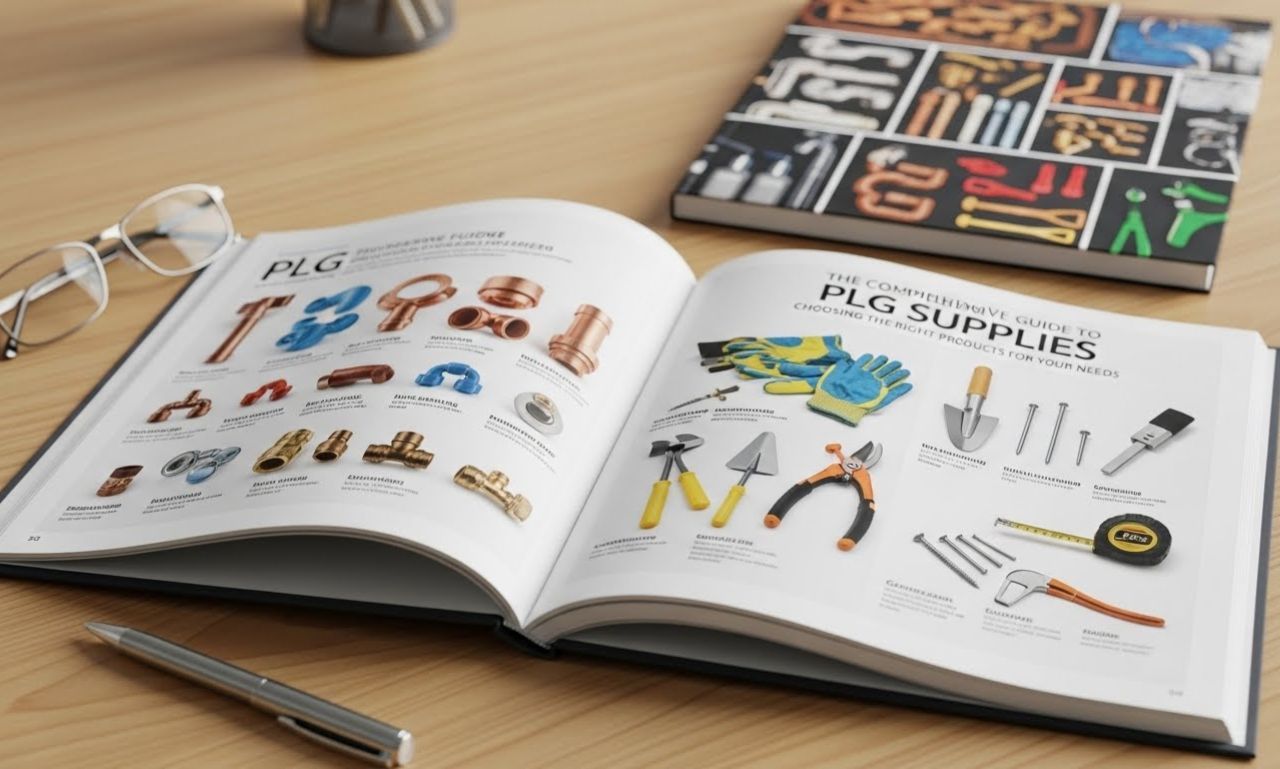
When it comes to sourcing quality materials and tools for various projects, plg supplies have become an essential consideration for businesses and individual users alike. Whether you are managing inventory for a small workshop or overseeing procurement for a larger organization, understanding plg supplies can make a significant difference in performance, cost efficiency, and overall satisfaction. This detailed guide explores the many facets of plg supplies, from definitions and categories to best practices for procurement and usage.
Understanding plg supplies: Definition and Scope
What Does plg Supplies Mean?
At its core, plg supplies refers to a range of products, tools, and materials that support operations across industries. These can include everything from consumables to durable goods, equipment accessories, or specialized products tailored to particular applications. The exact nature of plg supplies varies depending on context, but their unifying theme is their role in supporting ongoing work and processes.
The Scope of plg Supplies in Different Industries
Different sectors use plg supplies in unique ways:
-
Manufacturing: Components and maintenance tools.
-
Construction: Safety equipment and hardware.
-
Healthcare: Sterile materials and disposables.
-
Offices: Everyday stationery and hardware.
Understanding the specific requirements of your field helps in selecting the right plg supplies that match quality, compliance, and longevity expectations.
Key Categories of plg supplies
Everyday Essentials
Everyday plg supplies include items that are used repeatedly and require regular replacement. Examples might include:
-
Standard tools
-
Fasteners and connectors
-
Safety gear
-
Cleaning materials
These essentials ensure smooth operation and often represent a significant portion of recurring expenditure.
Specialized and Technical plg Supplies
Certain industries demand specialized plg supplies tailored to advanced tasks. These items often come with higher technical specifications and stringent quality standards, such as:
-
Calibration tools
-
Precision instruments
-
Industry-grade chemicals
Investing in high-quality specialized supplies can reduce downtime and improve outcomes.
Consumables and Disposable Products
Consumables are products that deplete through regular use. Common examples are:
-
Paper goods
-
Lubricants
-
Filters
-
Protective wraps
Efficient management of consumables can significantly impact total cost over time.
How to Choose the Right plg Supplies for Your Needs
Assess Your Requirements
Before procuring plg supplies, begin by analyzing your exact needs:
-
What tasks do you need to support?
-
How often will the supplies be used?
-
What quality standards must be met?
A clear assessment helps eliminate waste and avoids overstocking.
Compare Suppliers and Quality Standards
Not all plg supplies are created equal. To choose wisely:
-
Request product specifications and certifications.
-
Compare reviews and user feedback.
-
Evaluate warranty and after-sales support.
Choosing suppliers with proven reputations minimizes the risk of poor performance.
Consider Cost Versus Value
While price is important, the cheapest option may not provide the best value. Long-lasting, high-quality pl g supplies can reduce the frequency of replacement and lower long-term costs. Balance cost considerations with long-term utility to make sound decisions.
Best Practices for Managing Your plg Supplies Inventory
Establish Clear Tracking Systems
Keep detailed records of what supplies are used, how often they are used, and when stock needs replenishment. Implementing digital inventory management tools can:
-
Reduce loss
-
Improve accountability
-
Forecast future needs
Good tracking prevents shortages and ensures smooth operational flow.
Use Forecasting and Usage Data
Collect historical data on supply usage to predict future needs. This allows you to:
-
Schedule reorder points
-
Avoid emergency purchases
-
Reduce excess stock
Forecasting is vital for optimizing both cash flow and storage space.
Set Guidelines for Usage
By establishing clear usage guidelines for pl g supplies, you can:
-
Minimize waste
-
Ensure consistent quality
-
Train staff in efficient practices
This is especially important when multiple team members handle the same supplies.
Sustainability and plg Supplies
Eco-Friendly Options
As sustainability becomes a priority, many industries seek green alternatives to traditional pl g supplies. Examples include:
-
Biodegradable consumables
-
Recyclable packaging
-
Energy-efficient tools
Choosing environmentally friendly options contributes to reduced ecological impact and often aligns with corporate social responsibility goals.
Waste Reduction Strategies
To minimize waste associated with pl g supplies:
-
Reuse materials when safe and feasible
-
Recycle old or expired items
-
Partner with suppliers committed to sustainable packaging
These strategies support both environmental goals and long-term cost savings.
Challenges in Procuring plg Supplies and How to Overcome Them
Fluctuating Prices
Market conditions can cause price fluctuations for raw materials and supplies. To address this:
-
Negotiate long-term contracts
-
Buy in bulk when feasible
-
Monitor market trends
Maintaining flexibility and strong supplier relationships can mitigate the effects of price volatility.
Supply Chain Disruptions
Events such as logistical delays and raw material shortages can impact the availability of pl g supplies. Strategies to manage disruptions include:
-
Diversifying suppliers
-
Keeping safety stock
-
Planning for lead times
Proactive planning helps maintain continuity even under stress.
Quality Inconsistency
Inconsistent quality from suppliers can lead to operational issues. To avoid this:
-
Establish quality checkpoints
-
Conduct regular audits
-
Use supplier scorecards
These measures ensure that performance standards are upheld.
Case Studies: How Businesses Benefit from Effective plg Supplies Management
Small Business Efficiency
A small woodworking shop improved production speed by implementing an inventory tracking system specifically for pl g supplies. By identifying frequently used items and automating reorder alerts, the shop reduced downtime and saved on emergency shipping costs.
Manufacturing Plant Optimization
In a mid-sized factory, switching to higher-grade pl g supplies for critical tools resulted in lower failure rates and less frequent replacements. The investment initially increased outlay but led to measurable cost savings over time due to improved durability.
Future Trends in plg Supplies
Digital Procurement Platforms
As procurement systems evolve, digital platforms are streamlining how businesses purchase pl g supplies. These platforms offer features such as:
-
Instant price comparisons
-
Automated ordering
-
Real-time tracking
This simplifies decision-making and enhances transparency.
Customization and On-Demand Production
Advances in manufacturing, like 3D printing and modular design, allow for more customized pl g supplies that precisely fit unique project requirements. Customized solutions can improve efficiency and reduce waste from one-size-fits-all products.
Conclusion:
In today’s competitive landscape, pl g supplies play a crucial role in operational productivity and cost management. By understanding the different types, making informed purchasing decisions, managing inventory effectively, and preparing for future trends, businesses and individuals can optimize their workflows and achieve sustainable success. Whether you’re a small startup or a large corporation, a thoughtful approach to pl g supplies can yield long-term benefits in performance, budget, and satisfaction.