
 By abdul aziz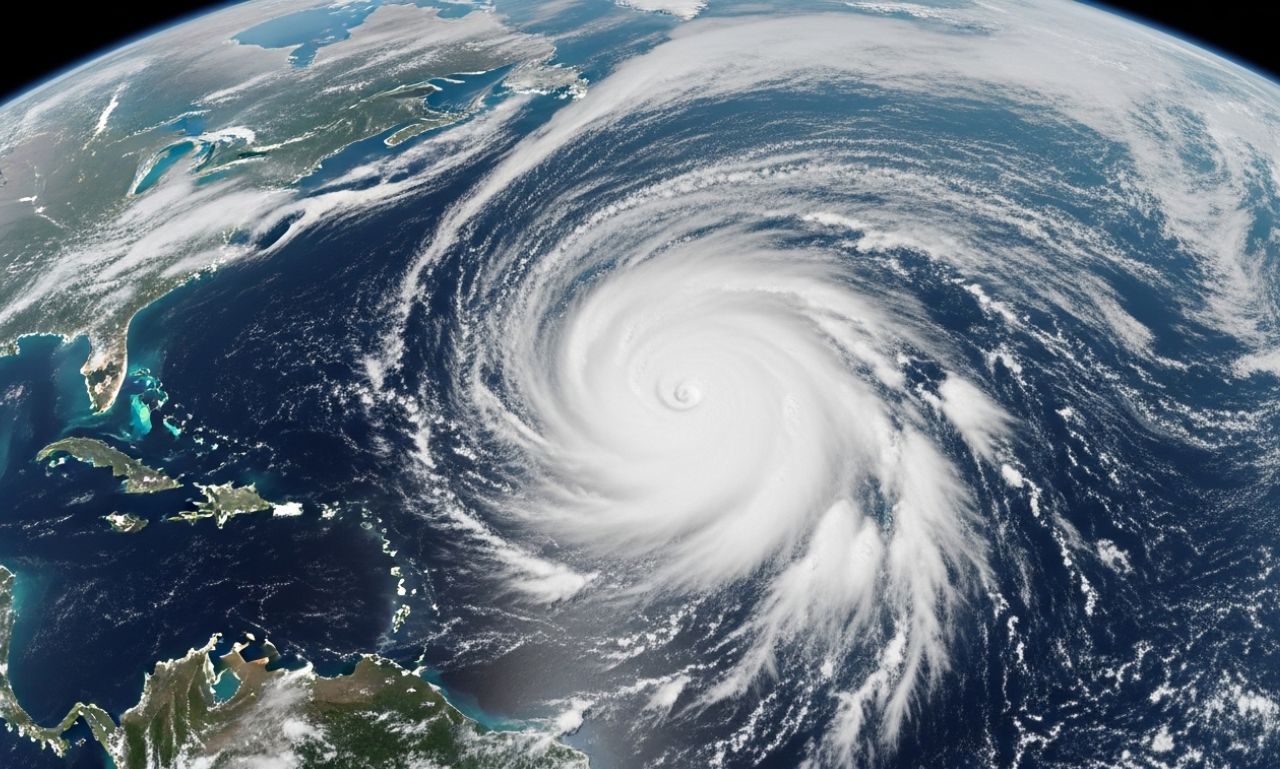
Hurricane Melissa represents one of the notable tropical systems that highlight the power and unpredictability of nature. Hurricanes like Melissa form over warm ocean waters and can bring devastating winds, heavy rainfall, and widespread flooding to affected regions. Studying such storms helps improve preparedness and reduce risks for communities worldwide.
What is Hurricane Melissa?
Hurricane Melissa is a tropical cyclone that develops over warm ocean waters, typically in the Atlantic basin. Like other hurricanes, it is characterized by a low-pressure center, strong winds, and organized thunderstorms.
Formation of Hurricanes
Hurricane Melissa formed under conditions that support tropical cyclone development, including warm sea surface temperatures, high humidity, and low wind shear.
Structure of the Storm
Hurricanes such as Hurricane Melissa typically consist of an eye (calm center), an eyewall (intense winds), and spiral rainbands that extend outward.
Impacts of Hurricane Melissa
Hurricane Melissa had significant effects on the areas it influenced, demonstrating the destructive potential of such storms.
Wind Damage
Strong winds from Hurricane Melissa can damage buildings, uproot trees, and disrupt power lines, causing widespread outages.
Flooding and Rainfall
Heavy rainfall associated with Hurricane Melissa can lead to flooding, landslides, and water contamination, especially in low-lying areas.
Preparedness and Response
Understanding storms like Hurricane Melissa is essential for disaster preparedness.
Early Warning Systems
Meteorological agencies monitor storms like Hurricane Melissa using satellites and forecasting models to provide early warnings to communities.
Emergency Planning
Communities in hurricane-prone regions develop evacuation plans and emergency kits to respond effectively when storms like Hurricane Melissa approach.
Climate and Hurricane Activity
Hurricane Melissa is part of a broader pattern of hurricane activity influenced by climate conditions.
Role of Ocean Temperatures
Warmer ocean temperatures can intensify storms like Hurricane Melissa, increasing their strength and potential impact.
Climate Change Considerations
Scientists study events like Hurricane Melissa to better understand how climate change may affect the frequency and intensity of hurricanes.
Lessons Learned from Hurricane Melissa
Events such as Hurricane Melissa provide valuable insights into disaster management.
Importance of Preparedness
Proper planning and awareness can significantly reduce the damage caused by storms like Hurricane Melissa.
Infrastructure Resilience
Improving building standards and infrastructure helps communities better withstand the effects of storms such as Hurricane Melissa.
Conclusion
Hurricane Melissa highlights the power of natural forces and the importance of preparedness and awareness. By studying and understanding hurricanes, communities can better protect lives and property. Continued advancements in forecasting and disaster response will help reduce the impact of future storms and build more resilient societies.